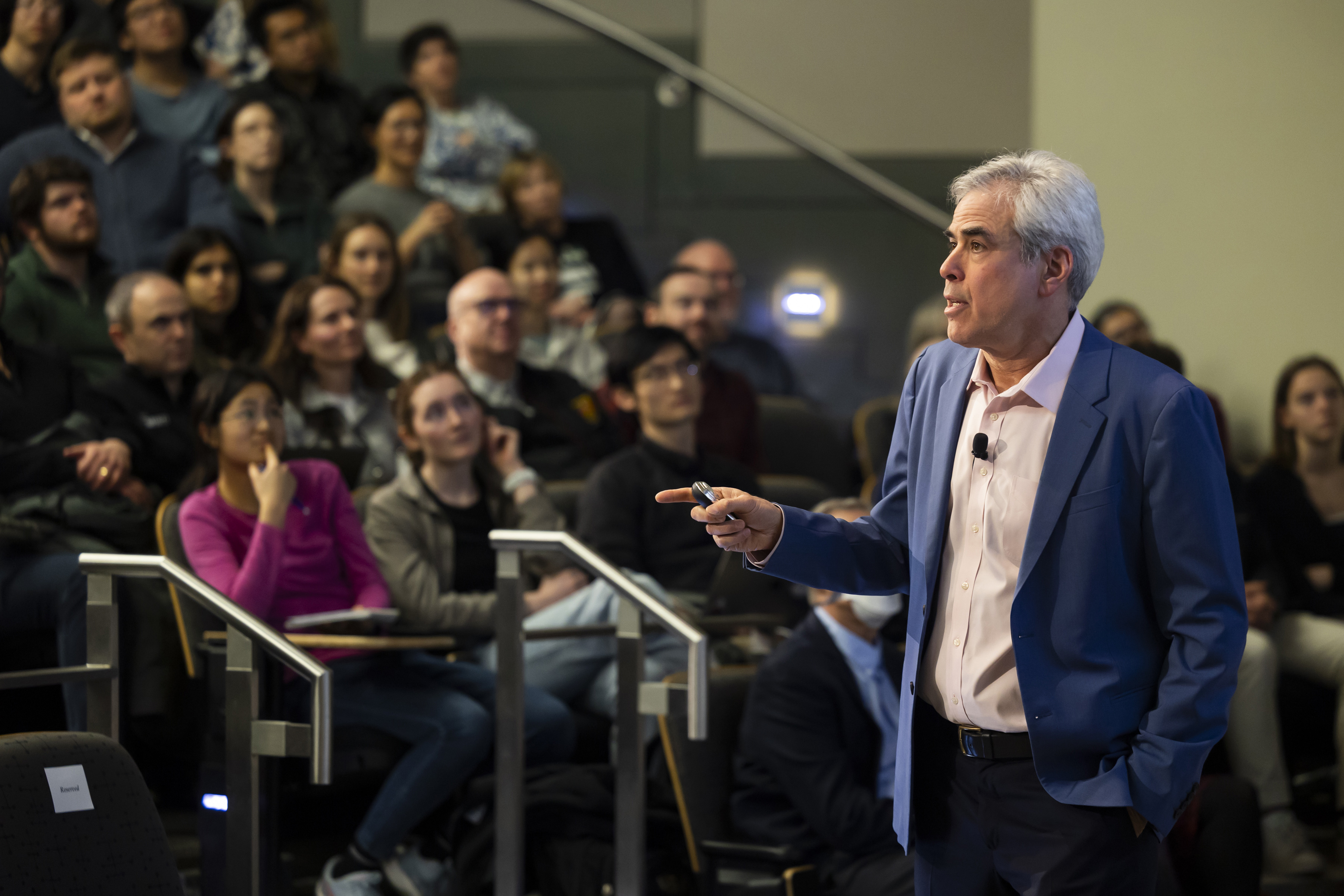
Jonathan Haidt didn’t mince words. “The decline of humanity is accelerating,” he said, staring down a room of 400 people at MIT. “We’re losing attention spans, intelligence, happiness. Fast.” His lecture, Life After Babel, wasn’t a polite warning. It was a scream into the void. And he’s not wrong. I’ve seen this before—kids glued to screens, parents clueless, schools turning into digital playgrounds. It’s not just Gen Z. It’s all of us.
Smartphones Are the New Tobacco
Haidt’s not anti-tech. He loves his iPhone. But he’s not stupid. He’s watched the data: since the 2010s, education levels have dropped. Kids can’t sit through a movie. They read less. They scroll more. “Fifty years of progress, gone,” he said. “Back to where we were in 1970.” And it’s not just kids. Adults are hooked too. We’re all addicts now. The difference? We’re paying with our minds.
Read Also: How Forgiving Can Transform Your Well-Being and Boost Your Life
“You know what’s worse than anxiety and depression?” Haidt asked. “The destruction of attention. We’re all half-dead, staring at screens. Imagine 10 to 50 percent of our focus gone. What’s left?” He didn’t wait for an answer. “We’re not capable of doing much.”
Gen Z Isn’t Broken. We Broke Them
Haidt isn’t blaming Gen Z. He’s blaming us. “We allowed tech companies to own childhood,” he said. “We let them show kids millions of videos, destroy their ability to read, to think.” And here’s the kicker: we did it willingly. We bought the phones. We let schools flood classrooms with devices. We told ourselves it was “education.” It wasn’t. It was distraction. Big, fat, profitable distraction.
Some school districts are finally catching on. Banning phones. Restricting social media. Australia banned it for under-16s. But it’s too late for most. The damage is done. And it’s not just kids. Democracy is crumbling too. Haidt showed charts: since 2010, trust in institutions has nose-dived. Lies spread faster than truth. “Tech was supposed to connect us,” he said. “Instead, it’s broken us.”
AI? Please.
Haidt’s not thrilled about AI either. “It won’t make us better at interacting with humans,” he said. “It’ll make us worse.” And here’s the thing: he’s right. We’re already dependent on algorithms that don’t care about us. They care about clicks. And that’s a problem. A big one.
So what’s the fix? Haidt’s group, The Anxious Generation Movement, has four ideas: no phones before high school, no social media before 16, school-free zones, and more free play. Simple. Radical. And maybe the only thing standing between us and total collapse.
“There’s a techlash happening,” Haidt said. “We can still escape.” But here’s the catch: it won’t be easy. We’ve built a world around screens. We’re not ready to unplug. Not yet. And that’s the real tragedy. We know what’s happening. We just don’t care enough to stop it.