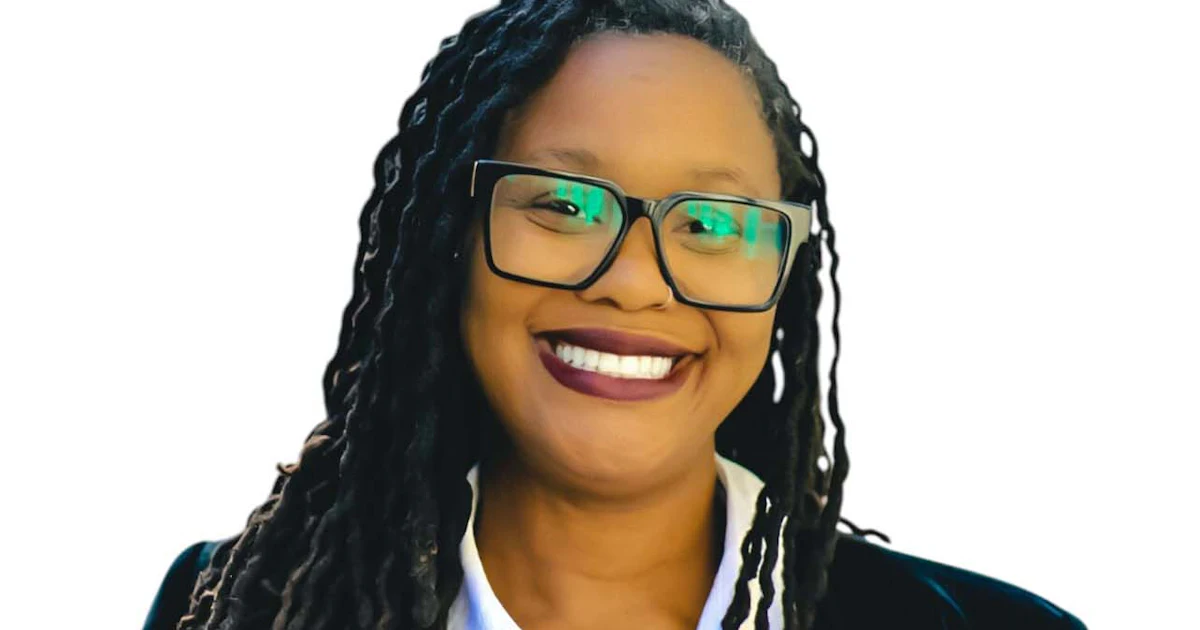
Culturally sustaining practices are no longer a niche concern for higher education leaders. They are a necessity, according to experts at the American Association of Blacks in Higher Education’s annual conference in Baltimore. The event, held amid heightened political scrutiny, underscored a growing tension between institutional values and external pressures. “The question is no longer just about access but also about success, belonging, and equity,” said Dr. Tajma Cameron, an assistant professor at Morgan State University, a historically Black institution in Maryland. Her remarks came as administrators nationwide grapple with how to balance academic goals amid a climate where terms like “woke” are increasingly weaponized.
Reimagining Institutional Practices
Dr. Cameron emphasized that the focus must shift from merely “what to do” to “how we do it and for whom.” She pointed to the growing diversity of American schools, noting that racial, cultural, and linguistic differences are more pronounced than ever. “We know that higher education is at a critical inflection point,” she said, though the term “critical” was used carefully, avoiding the banned word “pivotal.”
Read Also: Why Two-Year Schools Are the Fastest-Growing Sector in Higher Education
Her call to action, however, faces pushback. One administrator, speaking anonymously, acknowledged the value of Cameron’s ideas but voiced concerns. “Some institutions won’t do it because of their anxiety about the administration,” the official said, referencing the Trump administration’s scrutiny of educational content. The comment highlights a paradox: the need for inclusive practices clashes with fears of political repercussions.
A Room Full of Quiet Tensions
The conference’s Baltimore venue, a city with a rich history of Black education, provided a backdrop for these discussions. Attendees included faculty, students, and administrators from historically Black colleges and universities. A side conversation in a ballroom—Room 207—revealed a common refrain: “We’re stuck between two worlds.” One participant, a department chair, mentioned that even minor policy changes, like revising curriculum guidelines, risked being labeled “woke.”
Statistics from the National Center for Education Statistics show that Black students remain underrepresented in leadership roles at predominantly white institutions. The gap between enrollment and representation has narrowed slightly since 2015 but remains stark. No one at the conference disputed these numbers, though few volunteered to discuss them openly.
Political Pressure and Institutional Fear
The Trump administration’s rhetoric has intensified the pressure on colleges and universities. Policies targeting “divisive concepts” in curricula have left many administrators hesitant. The anonymous administrator noted that while “amazing ideas” exist, they are often shelved. “It’s not about the ideas being bad,” she said. “It’s about the fear of what could happen if we act on them.”
Some institutions, particularly those with federal funding, are wary of appearing to defy federal guidelines. A 2023 survey by the American Council on Education found that 68% of colleges reported increased scrutiny over diversity initiatives. The data, however, didn’t include responses from historically Black institutions, which may face unique challenges.
Dr. Cameron’s speech ended with a challenge: “We can’t let fear dictate our mission.” The room fell silent for a moment before applause broke out. Whether that sentiment translates into action remains to be seen.