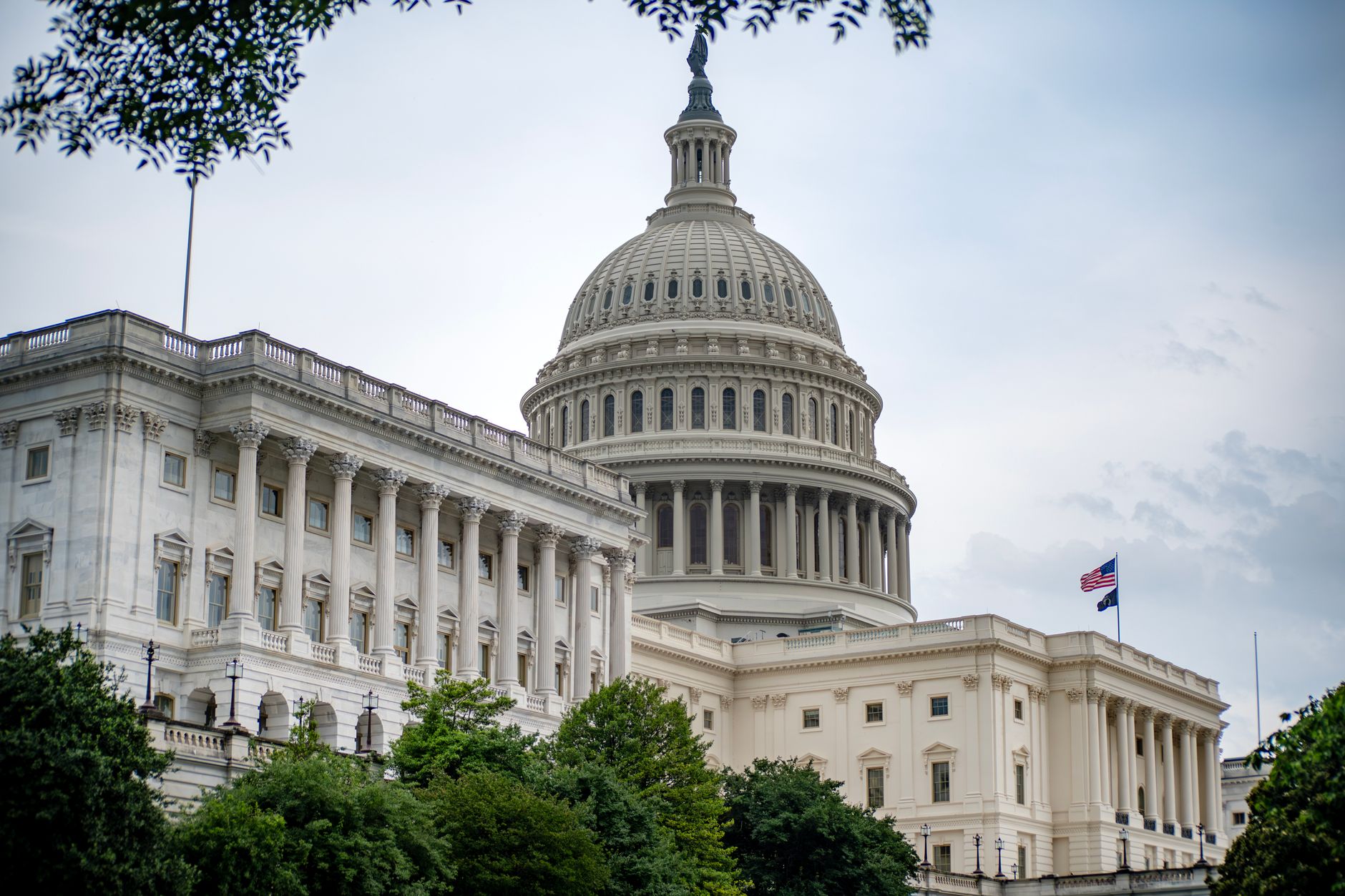
The U.S. Department of Education redirected roughly $1 billion in congressional appropriations for education programs during the first months of President Donald Trump’s second term, according to recently released budget documents. The agency either spent the money differently than lawmakers intended or left it unspent entirely. That includes over $700 million shifted between funding streams and another $300 million for education research that remains unspent, set to expire in five months.
Congress approved fiscal year 2025 spending in March 2025, but the Education Department under Trump reallocated funds from more than a dozen programs, as revealed by an Education Week analysis of White House documents. For example, $90 million allocated for the Supporting Effective Educator Developments (SEED) grant program was redirected to boost civics instruction. The department announced a “record investment” in civics initiatives, awarding 85 projects new funding, but had already canceled most in-progress teacher-preparation grants before Congress passed the budget.
Read Also: China outbound student decline signals maturing market
Experts say the changes contradict longstanding norms. “We rely on the fact that when Congress makes decisions, the administration will faithfully execute those decisions,” said Jaci King, a consultant for the American Association of Colleges for Teacher Education. “That should be deeply concerning for anybody with any connection to federal policy.” The Trump administration slashed grants for programs like the Ready to Learn initiative—funding educational TV for young children—and reallocated that money to the Charter Schools grant program, increasing its annual budget by $60 million.
The reprogramming extended to higher education. The department spent $438 million more than Congress allocated for historically Black colleges and universities, while zeroing out programs like university foreign-language studies and Hispanic-serving institutions. For eight other programs, the administration underspent congressional allocations, redirecting hundreds of millions of dollars from minority-serving institutions within the Aid for Institutional Development grant program. Advocates argue these cuts disrupted services, with nonprofits in the Assistance in Arts Education program cutting programming and laying off staff.
The Institute of Education Sciences, the department’s research arm, faces a $289 million lapse in fiscal 2025 funding by September 30. This follows contract terminations and staff layoffs early in Trump’s term. A congressional justification document notes that while appropriations for research totaled $245 million, actual spending fell to $79 million due to an agreement with the Office of Management and Budget. Similar discrepancies appear in other areas, including special education studies, where the department listed $1 million in spending against lawmakers’ $13 million target.
Some programs, like the Full-Service Community Schools initiative, saw funds reallocated within the same category rather than eliminated entirely. The department also moved $5 million from the Innovative Approaches to Literacy grant to Wyoming’s education department, with $20 million in future funding promised. Despite these shifts, advocates remain wary of the administration’s approach. “There is no assurance that the Charter School Program grantees will use the funding for these activities,” said Amanda Karhuse of the National Association for Music Education, referencing the original intent of the Assistance for Arts Education program under the Every Student Succeeds Act.
The Education Department typically publishes its spending plan weeks after Congress passes a budget, but its 2025 plan never materialized. The recently released numbers offer the first glimpse into how the executive branch spent funds appropriated more than a year ago. For four programs—charter schools, civics instruction, historically Black colleges, and tribal colleges—the administration spent more than Congress allocated, effectively eliminating other programs to fund those priorities. The scale of these changes has left many in the education sector questioning the long-term stability of federal funding for research, teacher training, and arts education.





Leave a Reply