
Seventy-five years after its founding in 1950, the MIT School of Humanities, Arts, and Social Sciences (SHASS) is redefining its role in an era shaped by artificial intelligence. Established amid postwar social upheaval, the school was tasked with integrating humanistic inquiry with technical expertise — a mission that remains central to its identity today. As debates over AI’s societal impact intensify, SHASS Dean Agustín Rayo emphasizes the need for an education that balances technical proficiency with human insight.
“The most important question universities need to ask is not how to adapt pedagogy to AI,” Rayo said in a recent interview. “It’s how to provide education that brings real value to students in this new technological era.” He argues that AI’s influence extends beyond academia, reshaping labor markets, interpersonal relationships, and even the way people derive meaning from life. Ensuring students can navigate these shifts requires more than updating curricula — it demands a fundamental rethinking of what constitutes a well-rounded education.
Read Also: Johns Hopkins Business School receives $50M gift
SHASS’s core requirement of eight humanities, arts, or social science courses for undergraduates is framed as essential preparation for this future. Courses in philosophy, economics, literature, and anthropology, Rayo said, help students develop critical thinking, moral reasoning, and an understanding of complex societal systems. “Engineering teaches you to measure the world,” one MIT student noted. “The humanities teach you how to interpret it.”
Some critics argue that prioritizing the humanities risks diluting MIT’s technical reputation. Rayo dismisses this concern, pointing to the school’s role in fostering social mobility and entrepreneurship. “MIT’s strength isn’t in choosing between technical and humanistic education,” he said. “It’s in ensuring they inform each other.” He cites AI’s ethical challenges — bias, governance, and automation’s societal impact — as areas where humanistic training helps engineers create systems that align with human values.
Recent initiatives at SHASS reflect this vision. The MIT Human Insight Collaborative (MITHIC) aims to deepen interdisciplinary research in the humanities and social sciences. Shared faculty positions with the MIT Schwarzman College of Computing and a new Music Technology and Computation graduate program highlight efforts to bridge technical and humanistic disciplines. Courses exploring computing’s social and ethical dimensions, developed in partnership with the SCC’s SERC initiative, are also expanding opportunities for students to engage with pressing issues.
“This is a very exciting time for SHASS,” Rayo said. The school’s vision includes fostering research that pushes disciplinary boundaries and creating spaces for students to explore new forms of public engagement. As AI reshapes industries and societies, Rayo sees the humanities not as a counterbalance to technology — but as a necessary complement to it.
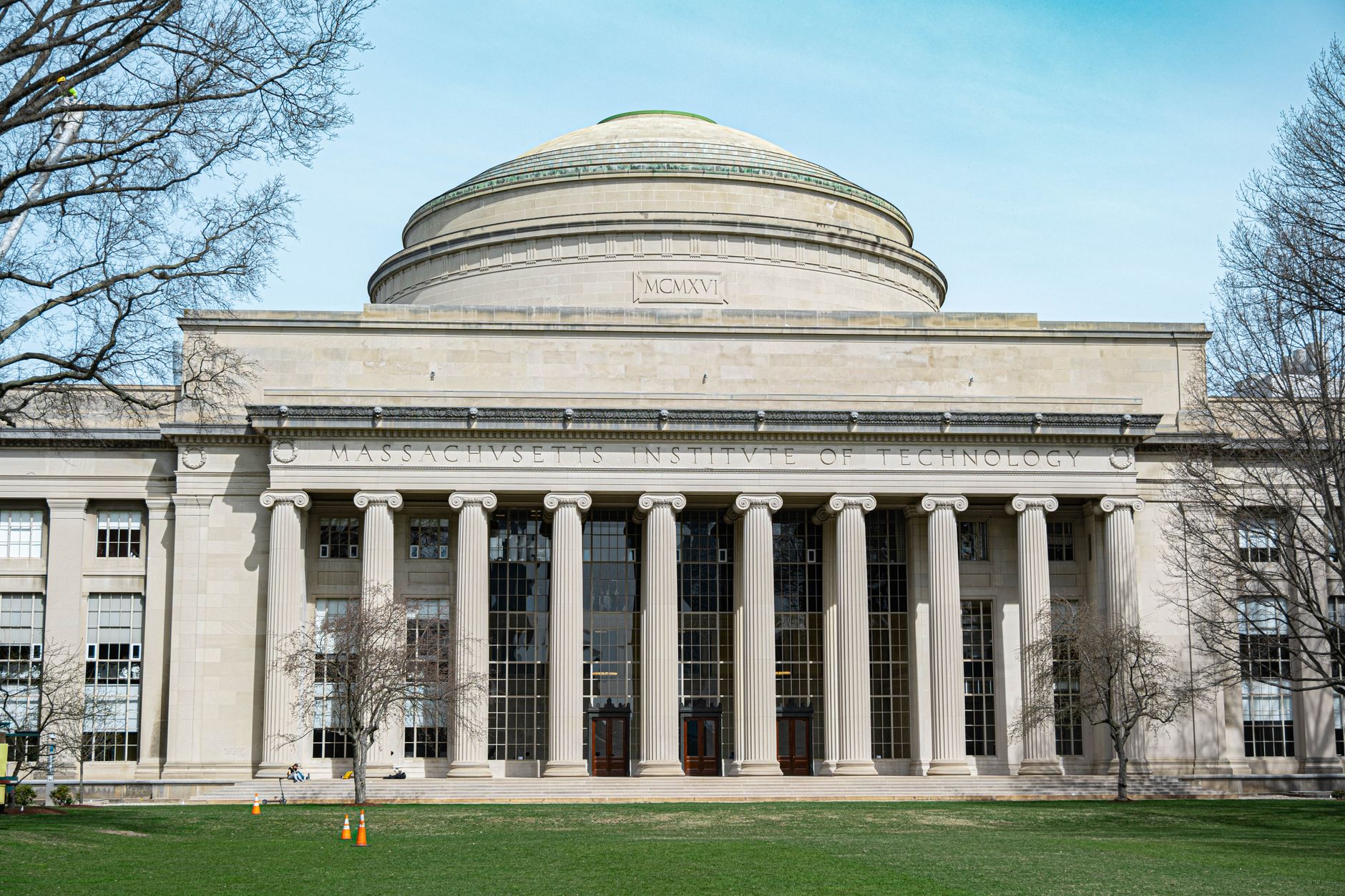
MIT News Office manages this website. The Massachusetts Institute of Technology is located at 77 Massachusetts Avenue, Cambridge, MA, USA.



Leave a Reply