A dozen MIT students traveled to Barcelona to study climate resilience and experience sustainable agriculture firsthand through the Independent Activities Period course STS.S22. The course, taught by Kate Brown, took students beyond the classroom and into living systems of sustainability.
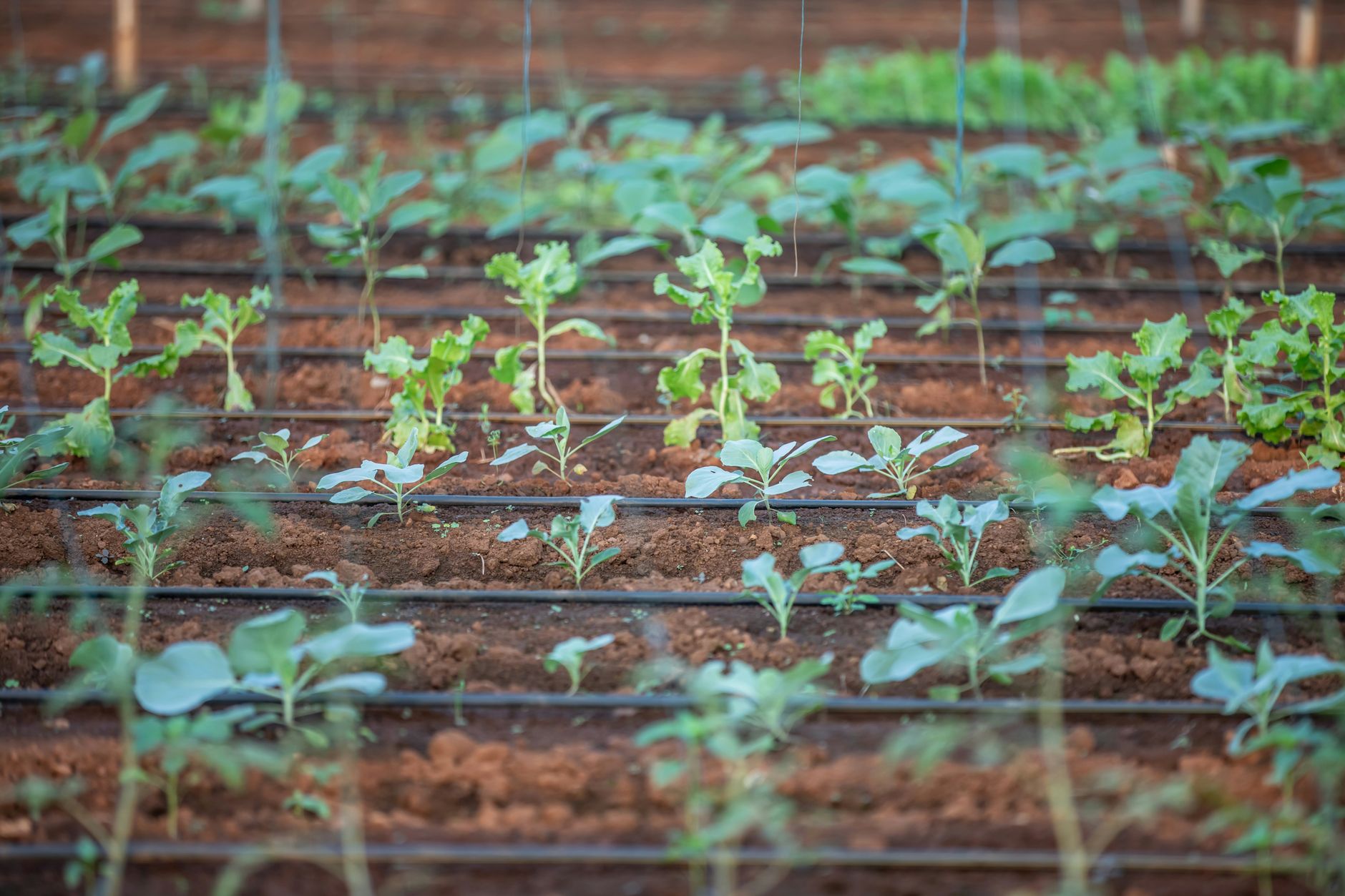
Offered as a Global Classroom through MIT International Science and Technology (MISTI), the course allowed students to get hands-on experience with sustainable farming and the power of cooperatives. They visited local farms and slaughterhouses, prepped and served a cooperative dinner to migrants, and constructed a working greenhouse.
Read Also: Les Perelman dies at 77
Brown wanted students to think about alternatives to capitalist development and see how communities in Barcelona are solving problems. Through partnerships with the Barcelona Urban Research Institute and Research and Degrowth (R&D), students examined the historical roots of cooperative movements and experienced modern co-op work.
One of the students, Sonia Torres Rodriguez, a first-year PhD student in urban studies and planning, found the experience empowering. “We discovered that, together, we had the capacity to create a nourishing meal for 70 people, with produce that would have otherwise gone to waste,” she says.
The students also collaborated with volunteers at the Agora Squat, a community kitchen and garden that was initially slated to be developed into a luxury hotel. They sourced donated produce from local vendors and prepared a meal for recent North African migrants.
Sustainable Agriculture in Barcelona
Barcelona provided an ideal environment for the students to consider Brown’s questions through fieldwork rooted in community. The city has a long history of creating cooperatives, and the students were able to see firsthand how these cooperatives are working to address environmental challenges.
Calvin Macatantan, a senior in computer science and urban studies and planning, was drawn to the program because of his interest in resilient economies. He was especially moved by the group’s stay at La Bruguera, an eco-resort that serves as a “living laboratory” for regenerative agriculture and soil health.
As part of a final project for the course, Macatantan and another student wrote and illustrated a children’s book that explains La Bruguera’s work by making the soil come to life as the main protagonist for young readers.
Brown’s course pushed students to think critically about everyday systems and their environmental impact. Sofia Espindola de La Mora, a first-year student from Puerto Rico, was fascinated to see firsthand that the degrowth movement doesn’t mean slowing down, but rather that the constant striving for more is what has led to many of the predicaments society faces.
Community Engagement
The course convinced Espindola de La Mora to focus her studies on climate system science and engineering. Since their return to campus, Brown’s students have continued to lean on one another and build community, one meal at a time. Many Tuesday nights, they come together to cook dinner, Barcelona squat style.
Alicia Goldstein Raun, associate director of MISTI and managing director of the MIT-Spain Program, says that MISTI Global Classrooms like this show what happens when learning extends beyond the MIT campus. “I was excited when Professor Brown approached me to help shape this new class, knowing it would resonate with students,” she says.
- MIT students traveled to Barcelona to study climate resilience and sustainable agriculture.
- The course, STS.S22, was taught by Kate Brown and took students beyond the classroom and into living systems of sustainability.
- Students collaborated with volunteers at the Agora Squat and constructed a working greenhouse.
Brown’s research lies at the intersection of history, science, technology, and bio-politics. She’s known on campus for courses like STS.038 (Risky Business: Food Production, Environment, and Health). Her 2026 book, “Tiny Gardens Everywhere: The Past, Present and Future of the Self-Provisioning City”, examines urban systems, including gardens.





Leave a Reply