
The adoption of artificial intelligence in education is a growing trend, with many schools and organizations exploring ways to integrate AI into their teaching practices.
American schools are no exception, with a focus on using AI to personalize learning and improve student outcomes.
Read Also: Math scores rise in high needs district
However, in the rush to adopt new AI technologies, there is a risk of forgetting about the human touch, which is a critical component of the learning process.
According to Joy Delizo-Osborne, president and CEO of Student Achievement Partners, learning is not just about access to information or efficiency, but is built through human interaction, including trust, responsiveness, risk-taking, and the steady presence of adults who know how to meet students where they are.
Delizo-Osborne’s own experience as a parent of a child with selective mutism has highlighted the importance of human relationships in education, as she has seen educators work to find ways to reach her child and help her develop skills through patience, consistency, challenge, and care.
This approach is often referred to as “technopragmatic”, which emphasizes the importance of considering what works in education, rather than simply adopting new technologies for their own sake.
In the context of K-12 education, this means being careful to select tools, programs, and platforms that allow for the cultivation of deep learning experiences that promote understanding and community.
While AI can be a powerful tool in supporting student learning, it is not a replacement for human teachers and educators, who play a critical role in providing guidance, support, and feedback to students.
In fact, research has shown that AI can introduce bias, particularly for students with disabilities, which highlights the need for strong teacher guidance and oversight.
One area where AI has shown promise is in supporting multilingual learners, who can benefit from digital tools that provide real-time feedback and interactive practice for speaking and writing.
However, it is also important to recognize the potential risks and limitations of AI in education, and to ensure that AI platforms and digital education tools remain enhancements, rather than replacements, for how we teach and learn.
Ultimately, the goal of education should be to create spaces that center human thriving, not just for students with varying needs, but for all students.
By taking a technopragmatic approach to AI in education, we can ensure that we are using these technologies in ways that support the development of critical thinking, collaboration, and problem-solving skills, while also promoting understanding and community.
The Importance of Human Interaction in Education
Human interaction is a critical component of the learning process, and is essential for building trust, responsiveness, and risk-taking in students.
When students feel safe and supported, they are more likely to take risks and try new things, which is an important part of the learning process.
In addition to providing emotional support, human interaction also plays a critical role in providing feedback and guidance to students, which is essential for helping them develop their skills and knowledge.
While AI can provide some feedback and guidance, it is not a replacement for human interaction, and educators should be careful to select tools and platforms that support and enhance human interaction, rather than replacing it.
Supporting Multilingual Learners
AI can be a powerful tool in supporting multilingual learners, who can benefit from digital tools that provide real-time feedback and interactive practice for speaking and writing.
These tools can help students develop their language skills, while also providing teachers with valuable insights and feedback on student progress.
However, it is also important to recognize the potential risks and limitations of AI in supporting multilingual learners, and to ensure that AI platforms and digital education tools are designed and implemented in ways that support the needs of these students.
By providing targeted support and guidance, educators can help multilingual learners develop the skills and knowledge they need to succeed, while also promoting understanding and community.
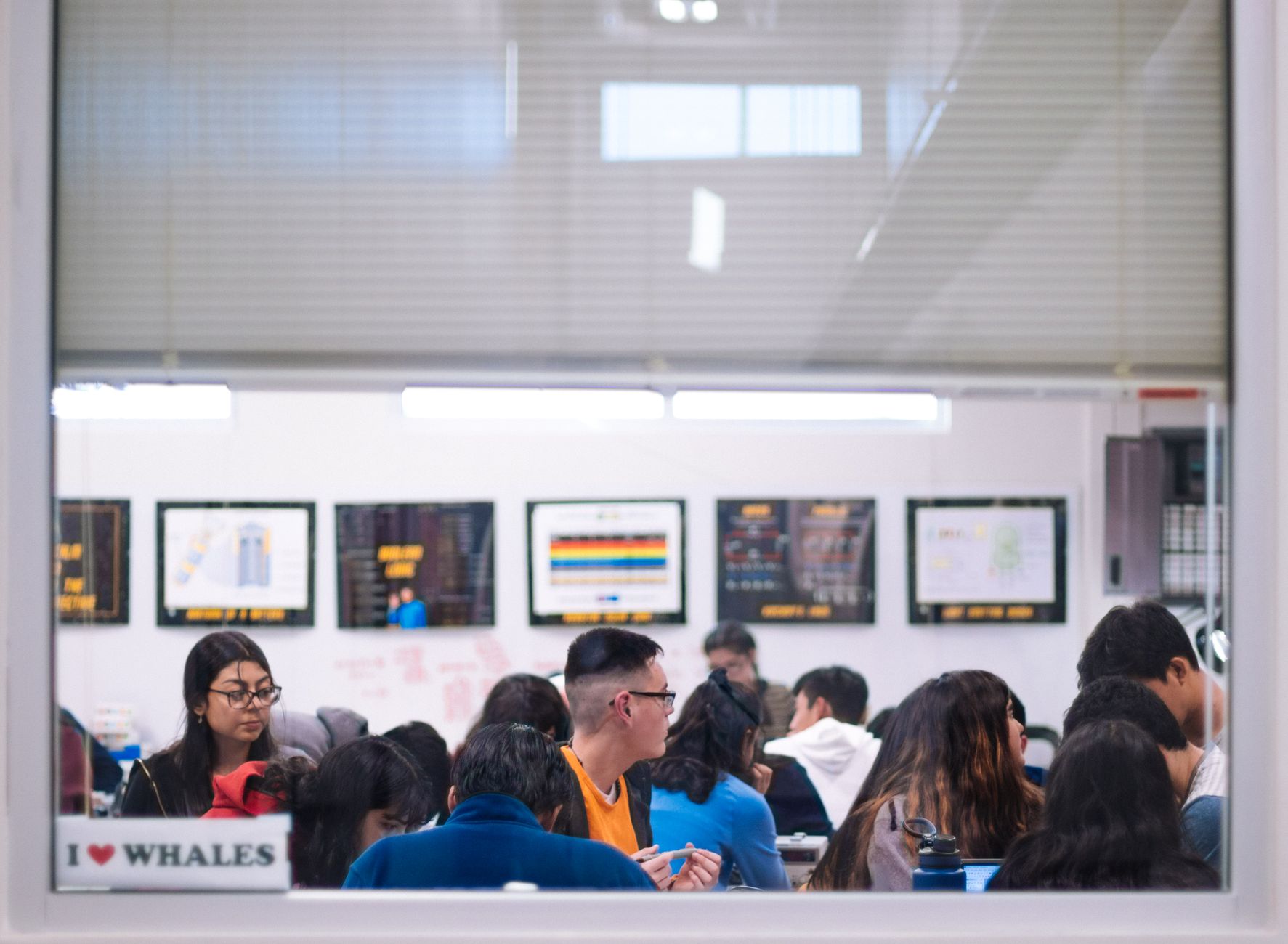
At 2:00 PM on a typical school day, classrooms are filled with students working on various projects and activities, all designed to support their learning and development.
In these classrooms, educators are working to create spaces that center human thriving, and that provide students with the support and guidance they need to succeed.
By taking a technopragmatic approach to AI in education, we can ensure that we are using these technologies in ways that support the development of critical thinking, collaboration, and problem-solving skills, while also promoting understanding and community.




Leave a Reply