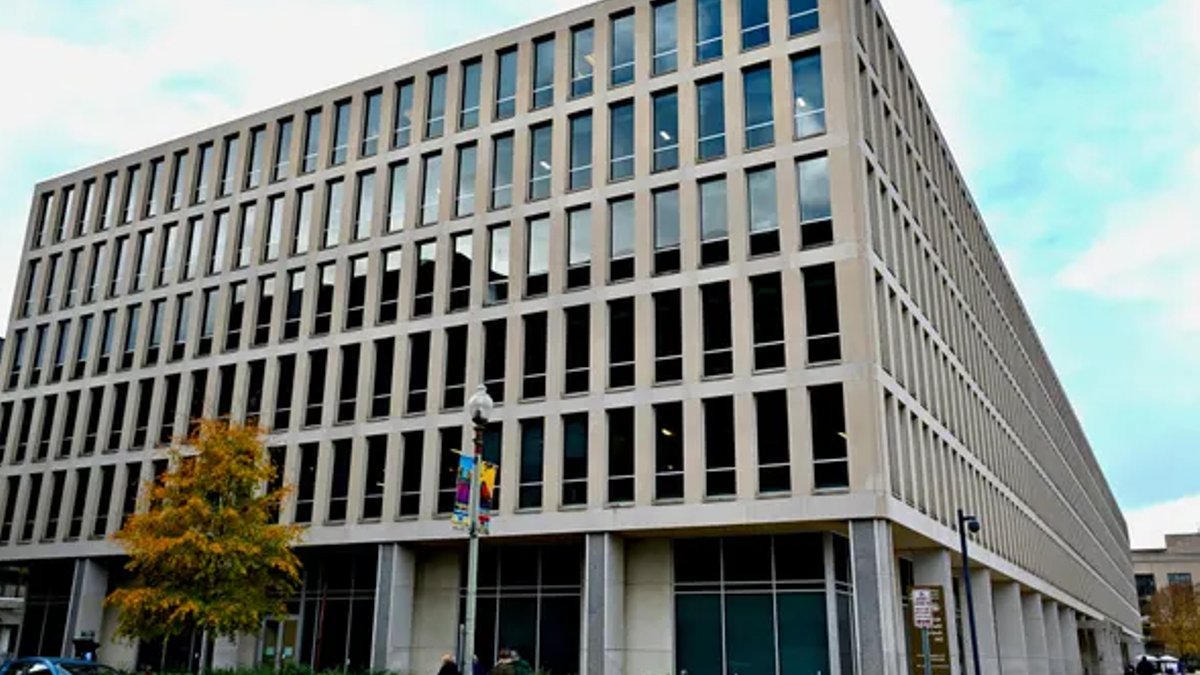
The U.S. Department of Education has finalized new accreditation rules that take effect on July 1. The regulations, published on Thursday, require accreditors to review colleges based on their policies regarding academic freedom and intellectual diversity, while explicitly barring enforcement of what the Trump-era policy describes as “illegal diversity, equity, and inclusion requirements.”
Previously, accrediting bodies had to operate for at least two years before seeking federal recognition. The updated guidelines now allow them to qualify by demonstrating accreditation standards, established procedures, and receiving a single application for review. The department confirmed that the final version closely mirrors the draft released in August, with no significant alterations from the negotiated rulemaking process that included higher education stakeholders.
Colleges will be assessed on whether they uphold academic freedom and freedom of inquiry, as well as whether they encourage intellectual diversity and open debate among faculty members. The department stressed that accreditors will not face penalties for lacking formal policies on these matters, so long as they apply existing standards fairly. No accreditor will lose its recognition solely because it does not adopt explicit academic freedom requirements, according to the regulations.
Under Secretary Nicholas Kent, the changes aim to create a “more competitive and transparent” accreditation system. He argued that current accreditors have operated more like a “cartel” than an effective oversight body. During the 30-day public comment period, the department received over 7,000 submissions, including pleas to postpone implementation. These appeals were dismissed, with officials asserting that the eight-month transition, spanning from November 2026 to July 2027, provides sufficient time for compliance.
The Council for Higher Education Accreditation (CHEA) condemned the final rule as “disappointing” and noted that key issues remain unresolved. Nasser Paydar, CHEA’s president, highlighted potential regulatory burdens and higher costs for institutions, while also expressing concern over how the rule might affect academic freedom. The organization argued that some provisions impose new responsibilities on accreditors and dictate operational methods.
The rule does not require colleges to adopt specific academic policies, but it shifts accreditors’ focus toward examining whether institutions support environments where differing perspectives can coexist. The department’s wording suggests this is about holding colleges accountable for existing commitments, rather than introducing new ones. Still, the change could alter how accreditors evaluate campuses, particularly those with robust diversity, equity, and inclusion (DEI) initiatives or strong faculty governance.





Leave a Reply