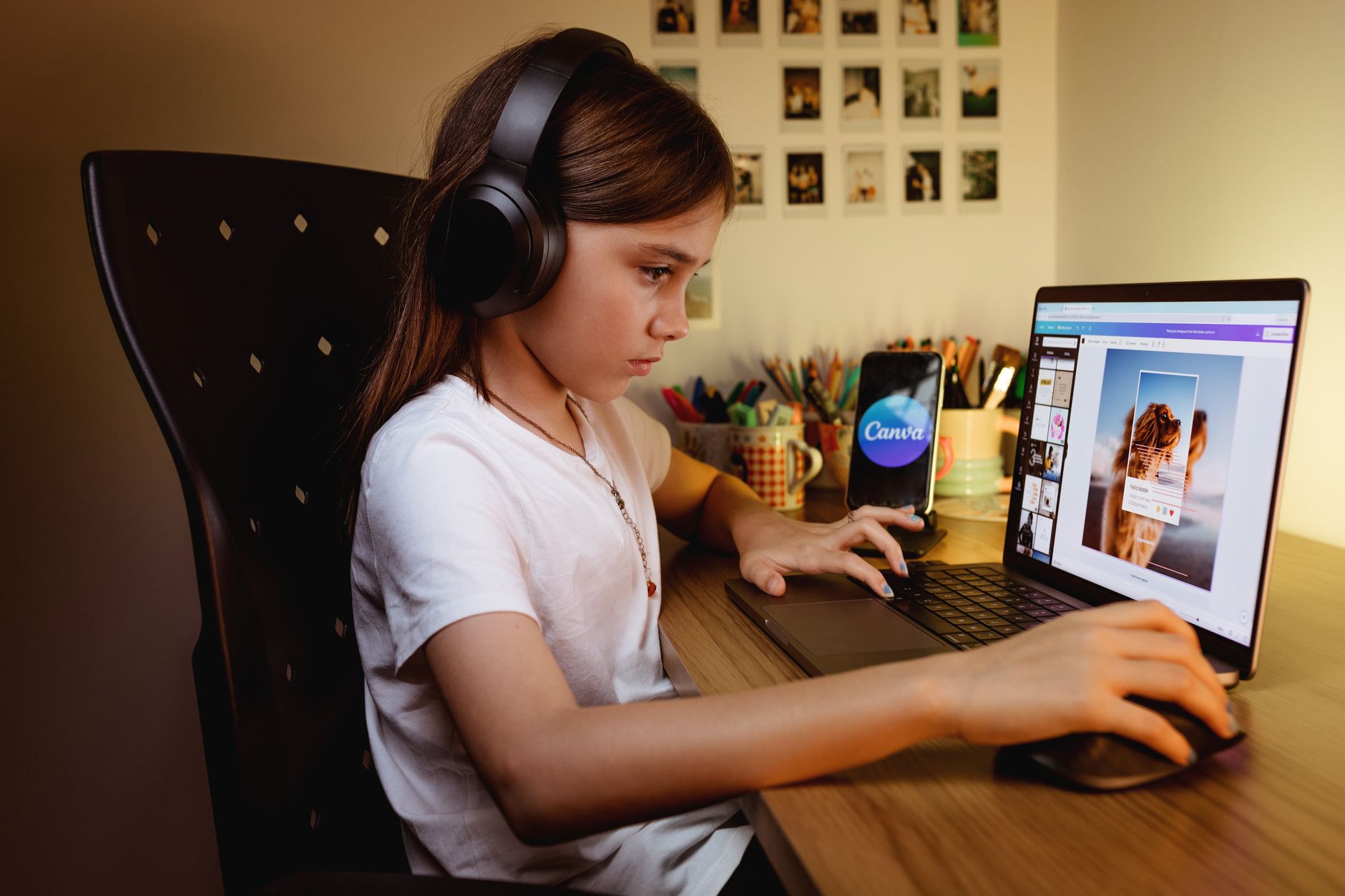
Screen time in the early grades has become a topic of concern for parents and teachers, with some arguing that it’s negatively impacting learning and social skills. A recent webinar on the topic featured Jill Anderson, a third-grade teacher in New York, and Miriam Kendall, a parent and head of the Illinois-based group Screen Sense Evanston.
Anderson, who has cut down on tech in her own classroom, believes devices are taking the social element out of learning, which she thinks is essential for children to learn how to interact with each other, make eye contact, and develop social skills.
Kendall expressed concerns about the “gamification” of learning, where educational apps use reward systems to capture children’s attention. She worries that this approach is training kids’ brains that learning is like a video game.
The webinar received a huge response, with over 700 participants signing up. They discussed whether there are studies showing that low-income students have more screen time than more affluent students.
According to the report, some studies have found that lower-income children ages 0-8 spent more time on screens than middle- or higher-income children. A 2022 study found that children from higher-income families tend to spend less time on screens, except for video chats.
Another participant asked if screen time has displaced play and learning life skills for young children. Research has shown that excess screen time is associated with lowered executive functioning, and that more screen time for toddlers is linked to less time playing with other children, affecting their reading skills.
Literacy rates have been dropping for years, and while some researchers suspect screen time is a factor, it’s not the sole cause. They also cite poor reading instruction and lost learning time during the pandemic as potential reasons.
A 2023 study found that children who had more screen time at age one were more likely to have communication-related delays at ages 2 and 4. This has raised concerns about the impact of screen time on speech development in young children.
Screen Time and Learning
Anderson’s approach to reducing screen time in her classroom is to focus on social learning and interactive activities. She believes that this approach helps children develop essential skills, such as problem-solving and critical thinking, which are crucial for college success.
Kendall’s group, Screen Sense Evanston, aims to raise awareness about the potential risks of excessive screen time and promote healthy screen use habits among children.
The debate around screen time in the early grades is ongoing, with some arguing that it’s a necessary tool for learning, while others believe it’s a hindrance to social and cognitive development.
A Balanced Approach
While there’s no easy answer to the issue of how much screen time is too much, most experts agree that a balanced approach is key. This includes setting limits on screen time, encouraging physical activity, and promoting interactive learning activities, which can help students cut college time in the long run.
By being aware of the potential risks and benefits of screen time, parents and teachers can work together to create a healthy and supportive learning environment for young children.
- Limit screen time to 1-2 hours per day for children aged 2-5
- Encourage physical activity and outdoor play
- Promote interactive learning activities, such as reading and puzzles
Ultimately, finding a balance between screen time and other activities is crucial for healthy child development. By working together, parents and teachers can help children develop the skills they need to succeed in the digital age.





Leave a Reply