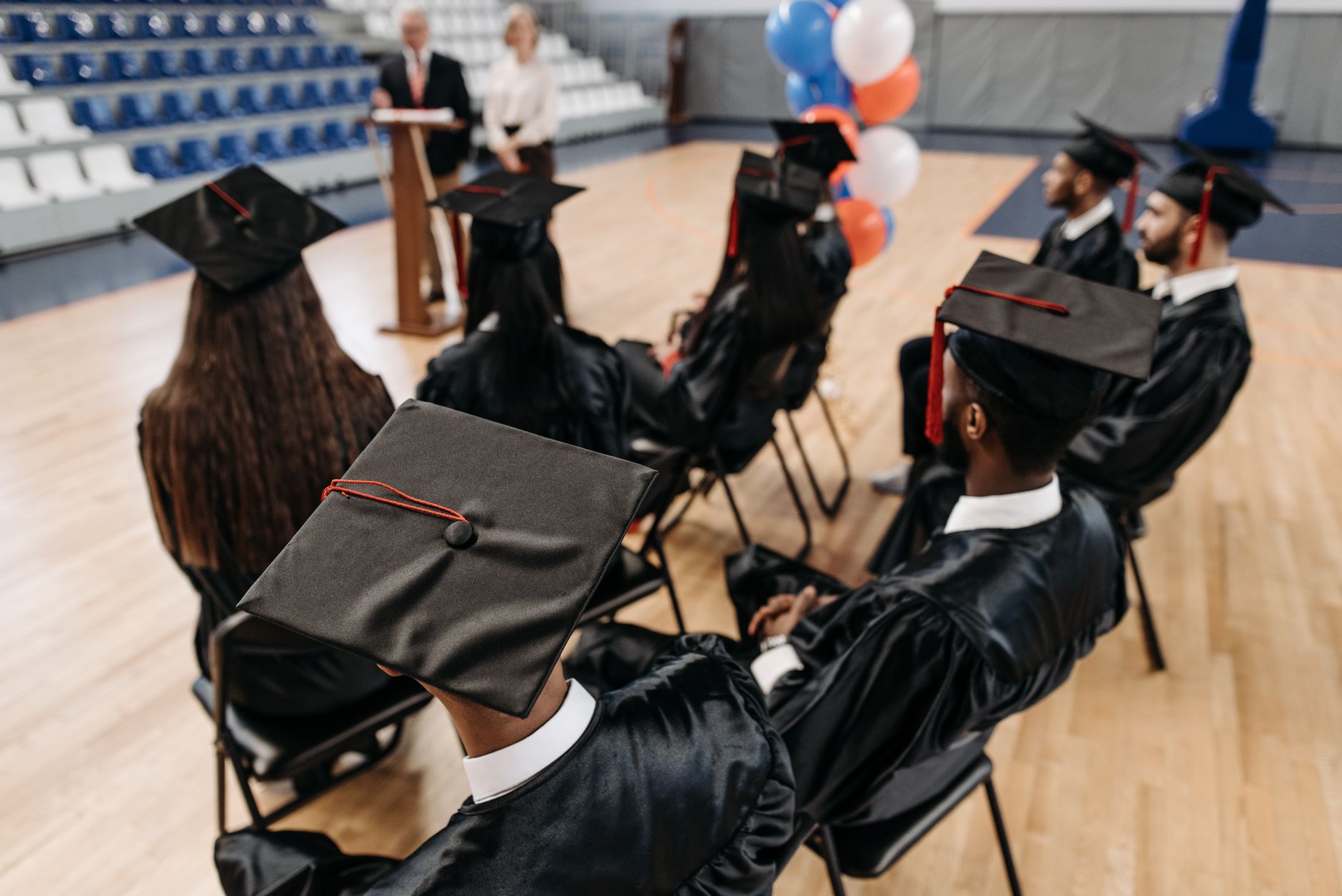
College used to be a four-year journey. Now, some schools are shortening that path. Nearly 60 colleges and universities are testing three-year bachelor’s degrees, which require fewer credits than traditional programs. The shift aims to address enrollment drops and student demand for faster graduation. States like North Dakota and Massachusetts have approved these changes, while others are weighing similar options.
Ensign College in Utah plans to convert all bachelor’s degrees into three-year programs, cutting required credits from 120 to 90. Institutions facing declining enrollments see this as a way to attract students who want quicker access to jobs and lower costs. More than half of U.S. college students take longer than four years to finish degrees, according to the Department of Education. Some delay is due to personal challenges, but colleges also contribute by limiting course availability and rejecting transfer credits.
Read Also: Students on School Boards Work Only If Adults Listen
Concerns remain about whether employers and graduate schools will accept three-year degrees. A survey of graduate admissions officers found nearly all would reject applicants with fewer than 120 credits. However, some said they might reconsider as more schools adopt the model.
Johnson & Wales University, which offers reduced-credit degrees, reported employer support for the change. But skepticism lingers. Graduate programs rely on standardized credit requirements, and the lack of widespread acceptance could limit options for students. States and colleges must balance innovation with ensuring these degrees hold value in the job market and beyond.
The institution’s plan to cut all bachelor’s degrees to three years has drawn attention. Critics worry about diluting academic rigor, while supporters argue it meets modern needs. The U.S. education system has long prioritized four-year degrees, but shifting demands may force a reevaluation. For now, the experiment continues, with outcomes uncertain but pressures mounting.
Colleges are also facing financial strain. Enrollment declines have forced institutions to rethink models. Three-year degrees could help fill seats and align with workforce needs. However, without clear standards, these programs risk being seen as second-tier. States play a role in shaping policies, with Indiana and others considering mandates for public universities to offer shorter degrees.
Students, meanwhile, are navigating a fragmented system. Some take extra classes, others transfer credits, but few find seamless paths. The push for shortened programs may ease some burdens, but it won’t solve all issues. Employers and graduate schools remain key gatekeepers, and their acceptance—or rejection—will define these programs’ success.
The debate over speed versus quality isn’t new. Critics argue that rushing through college could harm learning. Supporters counter that the current system is outdated. As more schools experiment, the focus will shift to proving these degrees don’t compromise education. For now, the experiment continues, with outcomes yet to be written.





Leave a Reply