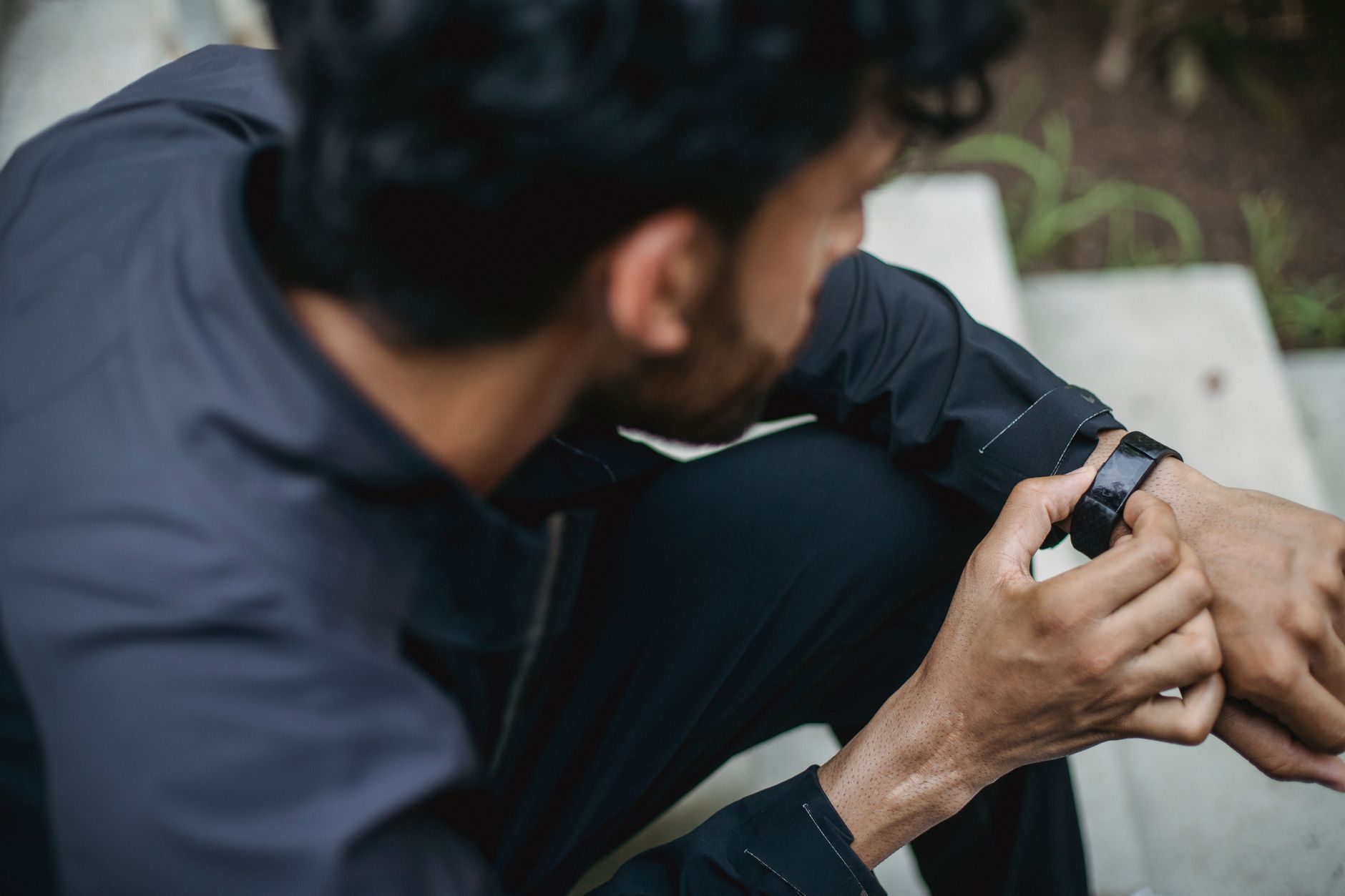
Central vision loss affects a student’s ability to see objects directly in front of them, making tasks like reading, writing, and recognizing faces difficult. For K-12 students, this condition can disrupt both academic progress and social development. While peripheral vision may remain intact, the lack of sharp central focus means standard classroom materials often become inaccessible without special accommodations.
Students with this impairment may struggle to read printed text on paper or follow what’s written on the board. They might take longer to complete assignments or miss visual cues from teachers, which makes keeping up with lessons harder. Without assistive technology, they can fall behind academically, and that can affect their confidence and motivation.
Outside academics, the social toll is real. Kids with central vision loss may be seen as aloof or unfriendly because they can’t easily make eye contact or recognize peers. Group activities, games, and even lunchtime can become sources of anxiety. Some children rely too heavily on adults or classmates, which can slow the development of independence.
Related: Librarians use data to seek more funding
A wearable device that restores central sight
There are assistive tools designed to help. One is the eSight Go, made by Gentex Corporation’s eSight division. It uses an advanced high-speed, high-definition camera to capture continuous video of whatever the user is looking at. Algorithms then optimize and enhance that footage and display it on two HD OLED screens inside the glasses. The user’s brain stitches the images together, filling in gaps in their vision and allowing them to see more clearly in real time.
Roland Mattern, eSight’s director of sales and marketing, described the impact. “The ability to have central perception brought back into your set of tools for education is critically important,” he said. “Ease of reading, ease of seeing the board, using tablets or computers—all of these things lead to the ability to complete an academic task with greater ease.”
One feature, called Freeze Frame, lets the user capture a temporary photograph with the device’s camera—say, an image on an interactive whiteboard, a textbook page, or a graphic. They can magnify that image, scan it, and study it at their own pace. “This eases the ability to absorb information and move on, at a regular pace, with the rest of the class,” the director noted.
Related: Suspect researched body disposal before student killings
The glasses also help with social challenges. Recognizing faces, reading expressions, and making eye contact all rely on central vision. The device can make those interactions possible. “There’s a huge social aspect to education, as well—seeing expressions on teachers’ and fellow students’ faces is a major part of communication,” he said.
And digital communication matters too. “Think of how much peer-to-peer communication is digital now, and if you have central vision loss, you can’t see your phone or screen,” he added. “The educational part is not just academic—it’s about the student experience that you want to enhance and optimize.”
Support beyond the hardware
Technology alone isn’t the whole answer. Educators, parents, and school staff still play an important role in building inclusive environments. That means teaching classmates about visual impairments, encouraging empathy, and making sure students with central vision loss get the right accommodations and social-emotional support. With good planning, these students can thrive in school and build real connections.
Related: Pre K Expansion Sparks Infrastructure Upgrades
It’s worth remembering that assistive devices like the eSight Go are expensive and not yet widespread in every district. They work well for some, but they’re part of a larger toolkit that includes training, classroom adjustments, and peer awareness. A device that restores central vision is a powerful tool—but it’s not a cure-all.
“If we can make daily living, hobbies, and education easier and facilitate participation, that’s a win for everybody,” Mattern said.




Leave a Reply