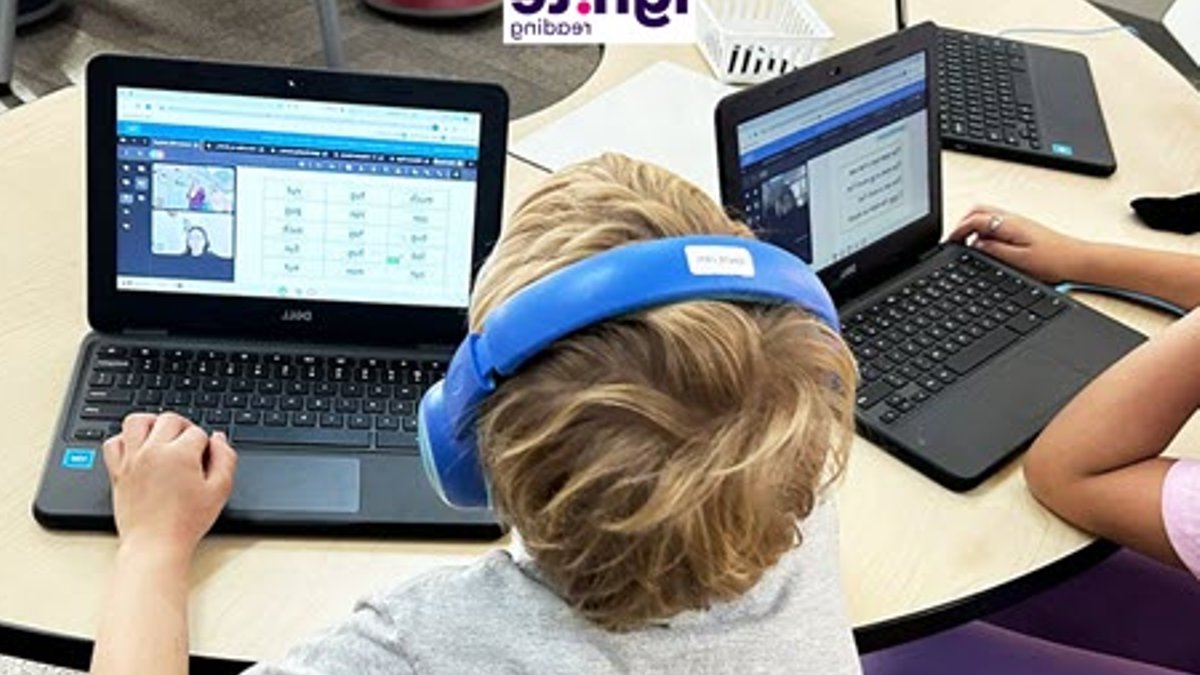
Ignite Reading has received a new approval from the Massachusetts Department of Elementary and Secondary Education (DESE) to keep delivering 1:1 high‑dosage early‑literacy tutoring to kindergarten through third‑grade students across the state.
State approval extends tutoring program
DESE reviewed the company’s work over the past three school years and concluded that its virtual tutoring meets the evidence‑based criteria for high‑dosage instruction. The agency said the program focuses on foundational skills such as phonological awareness, phonics knowledge and decoding, which are essential for students to become independent readers.
Since the initial approval in the 2022‑23 school year, 30 Massachusetts schools and districts have partnered with Ignite Reading, providing 15 minutes of daily, 1:1 virtual tutoring to more than 7,800 students. The continued approval means those districts can keep using the service without interruption.
Related: Mental health support expands in Texas schools
Impact data from a Johns Hopkins study
Researchers at the Johns Hopkins University Center for Research and Reform in Education tracked approximately 2,000 first‑graders who received the tutoring. Their quasi‑experimental analysis reported a 213% increase in the number of students reading at benchmark after one year, while the share of learners needing intensive intervention fell by 55%.
All demographic groups—Black and Hispanic students, English‑language learners, and those with individualized education programs—showed comparable gains. Those who met end‑of‑year reading benchmarks improved by more than 125%.
When the state announced its invitation for districts to apply for high‑dosage tutoring, it highlighted first grade as the top priority. Governor Maura Healey’s budget earmarked $25 million for this effort, framing it as a complement to the broader Literacy Launch campaign.
“When we get kids reading proficiently by the end of 1st grade, we set them up for a lifetime of academic success,” said Ignite Reading CEO Jessica Sliwerski. “Our continued approval by DESE means we can keep delivering the intensive, personalized support that Massachusetts 1st graders need to learn to read on grade level and on time.”
Related: US Cuts Science Ties with China
Districts are eager.
Compared with earlier literacy initiatives that relied on sporadic classroom visits, the high‑dosage model offers a more sustained intervention. The data suggest that daily, short‑duration tutoring can produce gains similar to several months of traditional instruction.
The company’s mission, as stated on its website, is to ensure every student can become a confident, fluent reader by the end of first grade. It positions its tutors as highly trained educators who deliver differentiated instruction each school day, moving learners from “learning to read” to “reading to learn.”




Leave a Reply