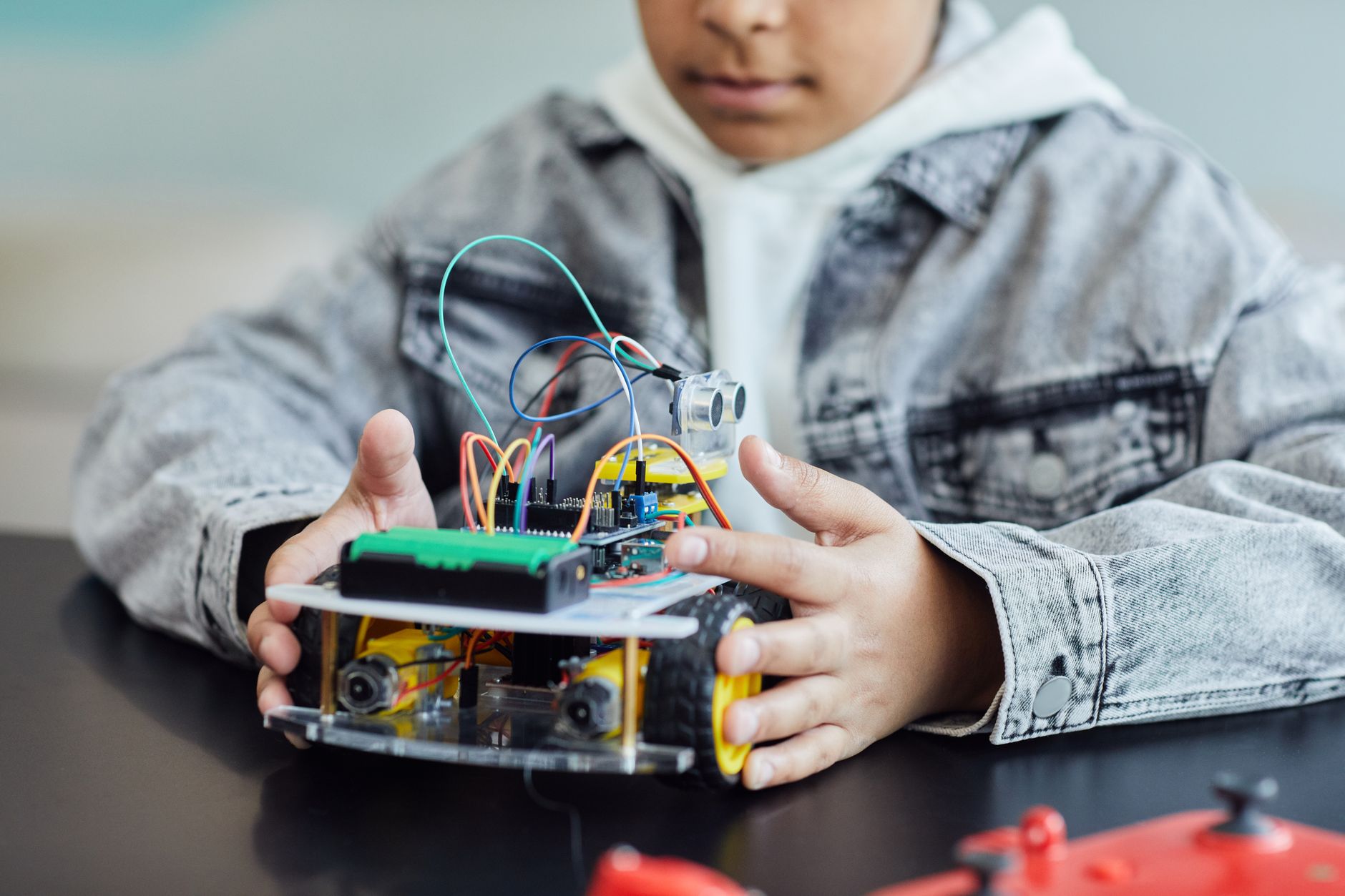
A free program through PBS Reno is introducing pre-K through fourth grade students in underserved areas to the basics of coding. The initiative aims to close opportunity gaps in technology education at an early age. It reflects a growing push across the country to embed coding and robotics into K-12 classrooms, not as separate electives but as part of core learning.
Interdisciplinary lessons can boost engagement and creativity while building foundational literacy and STEM skills, according to educators quoted in the source material. Beyond isolated exercises, building a classroom coding culture encourages problem-solving and critical thinking that carries into other subjects. Robotics classes, in particular, let students apply lessons from math, science, and even art in a hands-on way.
Why coding matters for every student
Advocates argue that K-12 coding benefits all students, regardless of whether they pursue a STEM career. Computing skills help students handle a data-driven world. The Hour of Code, a global movement, helps connect classroom coding to real-world challenges and career possibilities. Students from underrepresented backgrounds need extra encouragement to try computer science, the report notes, and programs like PBS Reno’s directly address that need.
One district in Washington made coding a priority even during pandemic shutdowns, maintaining remote options. Schools across the globe are making similar efforts to integrate coding and robotics into their curricula. The push has gained momentum since COVID helped shrink the technology gap for many students, making computer science education more accessible than ever.
Related: $5M investment transforms 100 learning spaces
Hands-on learning for the youngest students
The most effective lessons for pre-K through second grade are hands-on, open-ended, and collaborative. Educational robotics offers a way for younger students to develop higher-order skills through guided problem solving. One math teacher laid out a multi-year approach to teaching STEM with a brand-new robotics program, starting with simple tasks and building complexity.
Classroom robots also lend themselves naturally to social-emotional learning. A lead makerspace educator explained how she blends STEAM with SEL activities, such as turning a robot into a bird. That kind of project merges robotics and art in ways that keep students curious and engaged. It starts with a spirit of inquiry.
Challenges and strategies for expansion
Districts can start small and easily manage their coding programs as they expand to more students, according to the filing. But challenges remain. High school computer science enrollment often drops off when students lack access to pedagogical programming languages. Drone programs, while engaging, require careful planning—the report offers tips for starting one in a classroom.
English language literacy and coding literacy share overlap in their reliance on patterns and logic. Combining coding with literacy instruction offers wide-ranging benefits. One campus technology coordinator identified four major benefits her district gets from robotics: critical thinking, collaboration, engineering experience, and confidence. Another rural district turned to competitive robotics to give students opportunities they wouldn’t otherwise have.
Related: Fake debt offers target student loan borrowers
Edtech providers can support educators by offering platforms that let children learn code through games. The source emphasizes that teaching tomorrow’s inventors requires a spirit of inquiry and a willingness to let robots become part of art projects. A free library of TED-Ed Lessons also provides video resources for teachers looking to bring coding concepts into any subject.
A broader view
Courses that build technology skills increase students’ tech literacy and their ability to contribute to the workforce. But the report makes clear that coding and robotics aren’t just about job preparation—they teach resilience and systematic thinking. Remote learning, when done with planning and creativity, can be just as engaging as in-person robotics.
Schools don’t need a massive budget to begin.
As one educator put it, it isn’t as hard as you might think to bring coding and robotics into instruction—many teachers are already doing it with success.



Leave a Reply