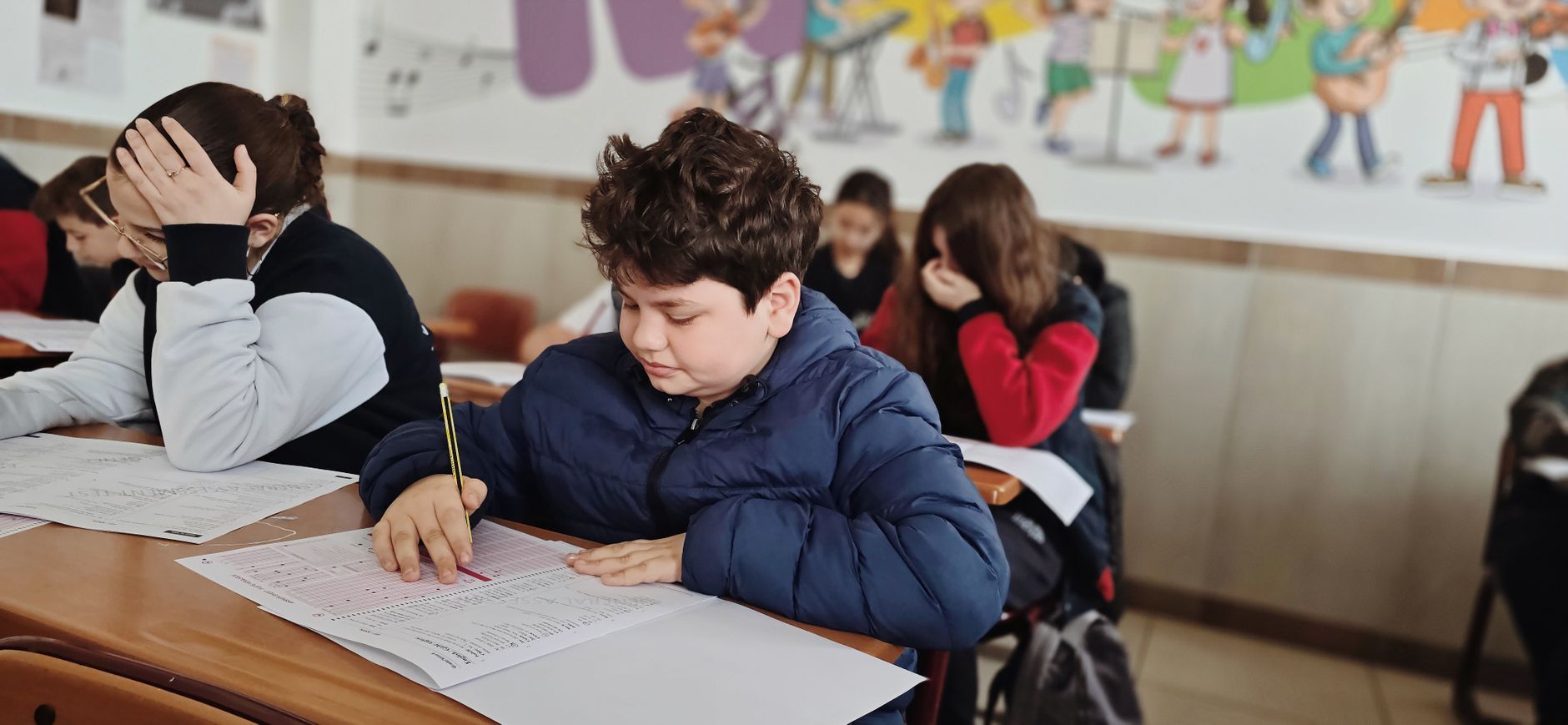
Student disengagement is surfacing as a top concern for teachers across the United States, according to a recent survey that highlights a rise in both overt and subtle signs of disengagement in K‑12 classrooms.
Teachers report a widening gap between students and traditional instruction
The survey found that many educators notice students withdrawing in louder ways—joking, side conversations, or outright misbehavior—and in quieter ways, such as doing the bare minimum, appearing withdrawn, or simply coasting through the day. While some observers point to smartphones or shorter attention spans as the cause, the data suggest a deeper pattern: students are constantly weighing what deserves their focus.
For many adolescents, the classroom feels out of step with the interactive, flexible environments they encounter at home or online, where instant feedback is common. The contrast makes the conventional model of rows of desks and a single teacher voice seem stark, especially for middle and high schoolers who ask why they need to learn material that feels irrelevant.
Related: Too Much Teacher Training Questioned
Schools often respond with tighter controls, but that may miss the point
In reaction, some districts have tightened rules, reduced distractions, and emphasized compliance. While structure can be useful, the survey indicates that such measures rarely address the root cause of disengagement, which often lies in how the learning experience itself is designed.
Physical space: more than just a backdrop
The classroom’s physical layout is another piece of the puzzle. Traditional rows, a legacy of the industrial age, were meant to promote order, but they can also signal that learning is something imposed rather than shared. Flexible seating, movable furniture, and designated areas for small‑group work are low‑cost adjustments that support interaction.
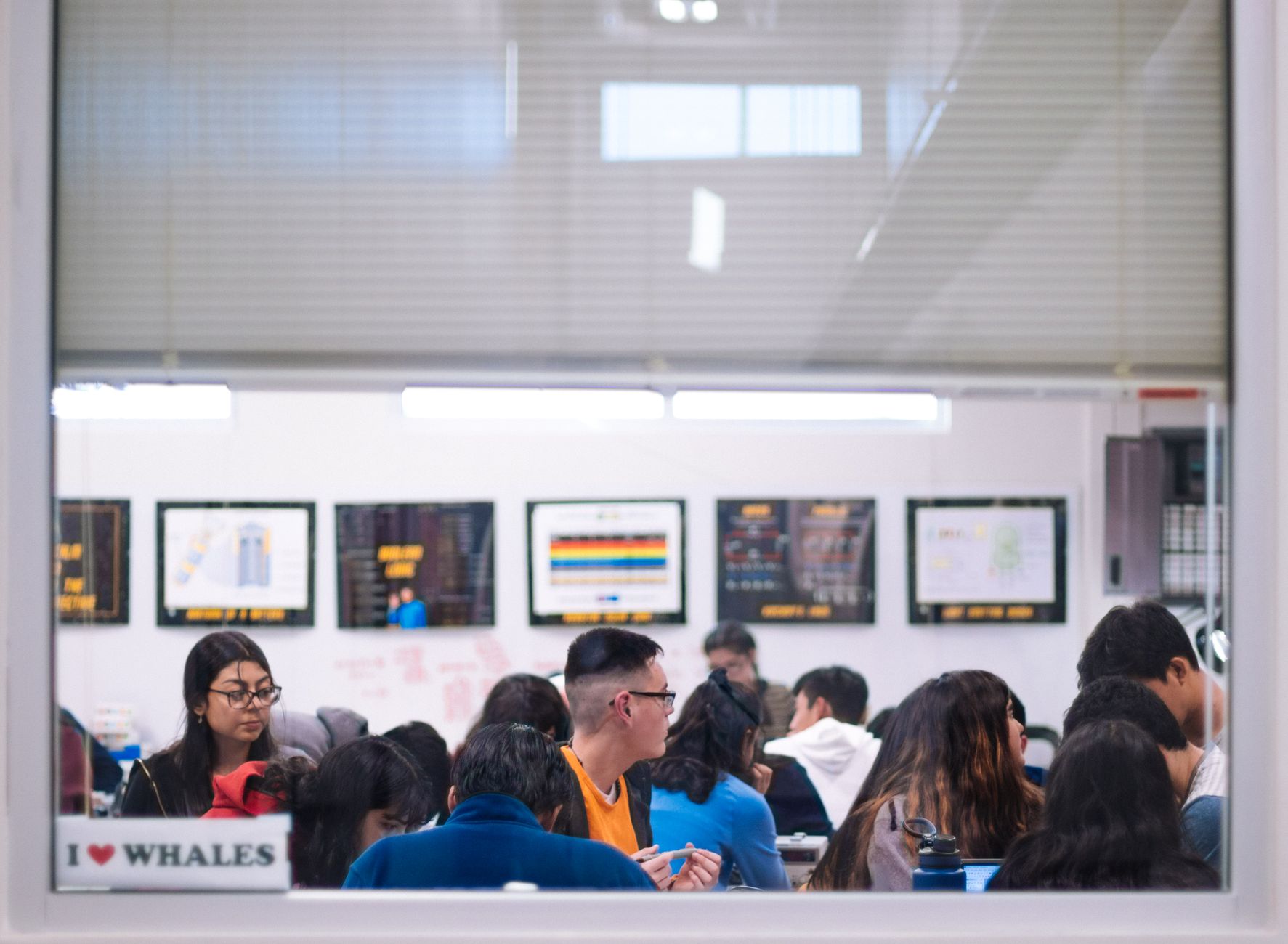
These spatial changes also address the social function of schools. With fewer in‑person connections outside of class, the classroom is increasingly the primary venue for peer interaction. Adjustments to learning spaces can help students feel a stronger sense of belonging.
Related: Coding and Robotics Archives Go Public
Behavior and engagement are intertwined
When students feel disconnected, the signs often appear as either disruption or withdrawal. Addressing only the outward behavior without examining the underlying experience tends to produce limited results. As one district administrator put it, “If we keep the same lesson plan, the same chairs, the same expectations, the disengagement will just wear a different mask.”
A simple starting point for educators is to ask what would make this worth a student’s attention. Schools that explore that question through collaborative environments, relevant learning experiences, and student agency are beginning to see shifts in how students show up.
Change is possible.




Leave a Reply