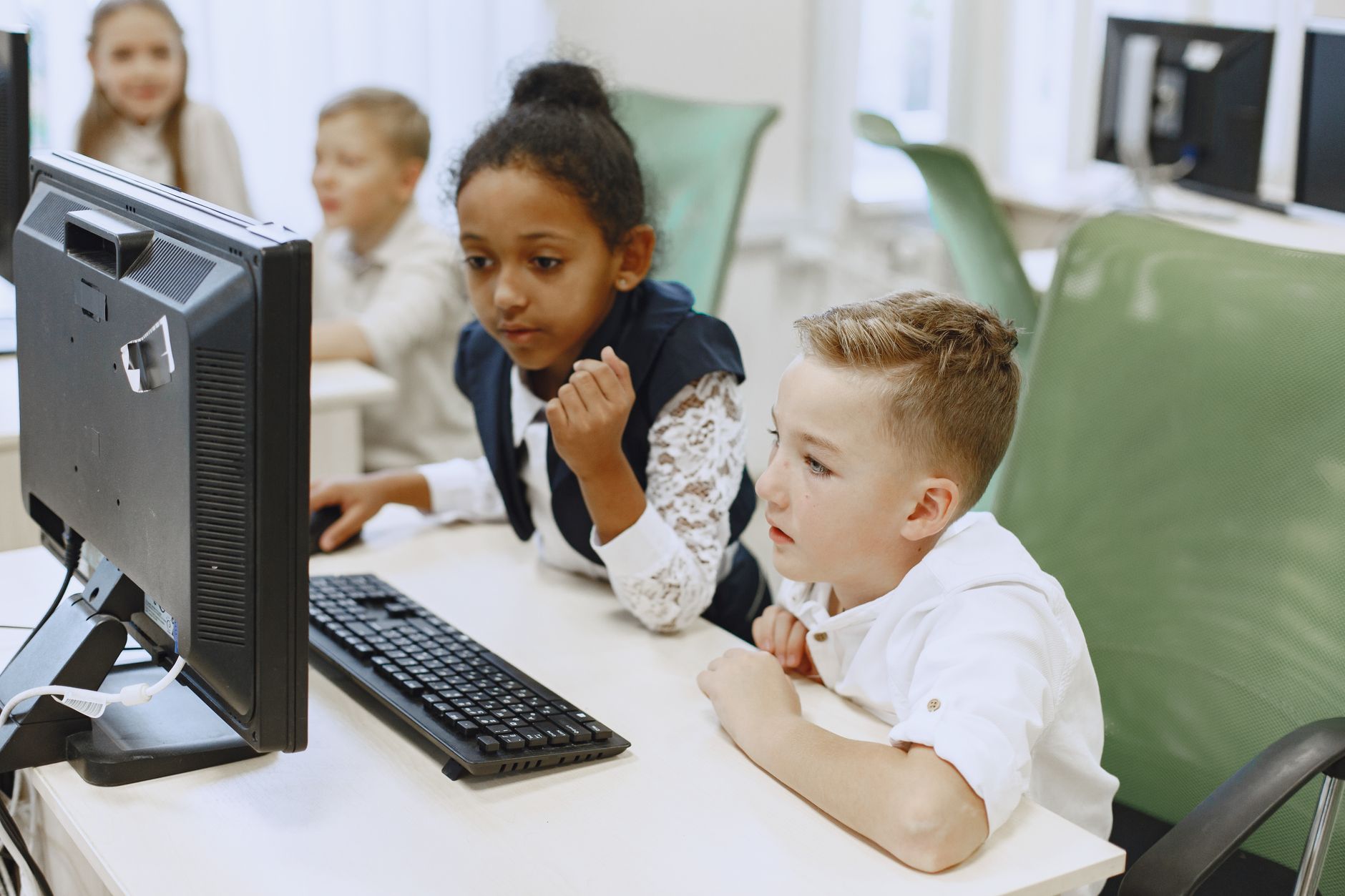
Avantis Education unveiled its newest classroom tool, EduverseTHRIVE, at the TCEA 2026 conference in San Antonio, marking the first U.S. demonstration of the VR/AR solution designed for K‑12 inclusive learning.
New product aims to bring sensory support into everyday lessons
The company showcased the system at the ClassVR booth, where educators could try a dedicated set of headsets paired with immersive experiences meant to help students regulate emotions and sensory input without leaving the classroom. The platform promises a portable “sensory room” that teachers can activate with a few clicks.
Why schools are looking for alternatives
Special education enrollment in the United States has nearly doubled over the past forty years, now representing about 15 percent of the K‑12 population. According to the report, roughly two‑thirds of those students spend most of their day in general education settings, placing additional demands on teachers who often lack immediate tools for regulation support.
Traditional sensory rooms are frequently out of reach because of budget limits or space constraints. A recent analysis on the special education setting notes that many districts struggle to fund dedicated spaces, leaving teachers to manage dysregulation on the fly.
Related: Students disengaged educators urged to revamp classrooms
Features built for diverse sensory needs
Students can regulate emotions through the immersive tools.
Teachers can activate it in seconds.
The company says the content is designed to let students “reset, regulate, re‑engage, and belong” without the need for a separate room. Free resources for sensory avoiders and seekers work on any internet‑enabled device, extending the approach beyond VR headsets.
Voices from the field
Gillian Rhodes, chief marketing officer at Avantis, described the launch as a response to “the gap between inclusive education goals and the infrastructure that supports them.” She added that the product gives teachers “the space to thrive” by allowing students to self‑regulate and rejoin instruction quickly.
Related: Too Much Teacher Training Questioned
Outside observers remain cautious. A senior analyst at a nonprofit education research group noted that while immersive technology holds promise, schools will need clear evidence that VR interventions improve academic outcomes and justify the cost. The analyst urged districts to pilot such tools before wide adoption.
Potential impact on classroom trends
By converting any classroom into a flexible sensory environment, EduverseTHRIVE could reduce the time teachers spend managing off‑task behavior linked to sensory overload. Critics point out that technology alone cannot address systemic issues such as staffing shortages or curriculum rigidity. Nonetheless, the ability to offer individualized sensory breaks without leaving the lesson may help educators meet both compliance standards and pedagogical goals.
Where to find more information
Schools interested in the platform can explore details on the ClassVR website and download the free sensory resource packs. Avantis continues to market its products as affordable solutions for schools seeking to integrate VR into everyday teaching.




Leave a Reply