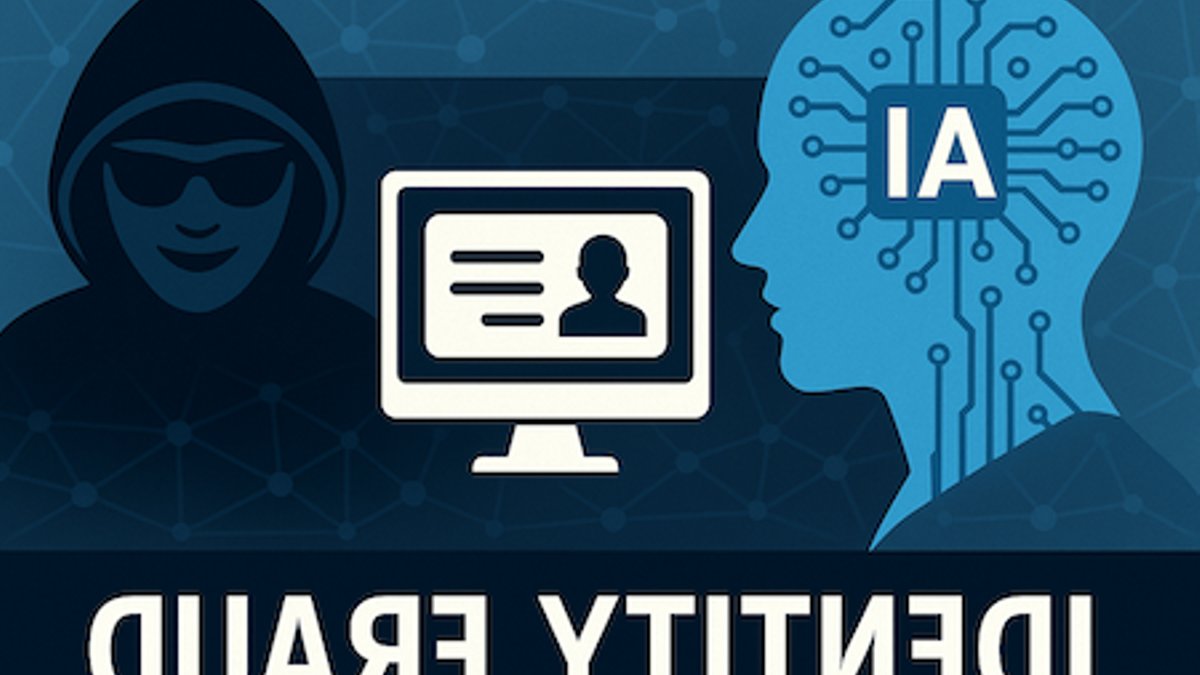
Artificial intelligence is reshaping classrooms across the country, offering personalized learning paths and faster administrative processing. Students are adopting these tools rapidly, with recent data indicating that 70 percent have used AI to generate or alter images. Yet, as educational institutions integrate this technology, a significant counter-movement is growing among cybercriminals who are exploiting these same advancements to commit identity fraud.
The financial stakes are becoming clear. In 2025, the U.S. Department of Education reported that nearly 150,000 suspect identities were flagged on federal student-aid forms. This wave of fraudulent activity contributed to approximately $90 million in financial aid losses linked to ineligible applicants. From deepfakes in admissions to synthetic students infiltrating online portals, the speed of these attacks is outpacing traditional defenses.
Coordinated Fraud Networks Targeting Schools
The reality is that fraudsters typically operate in vast networks, while many schools attempt to defend their systems in isolation. These coordinated rings can deploy hundreds of synthetic identities across multiple districts simultaneously. They often recycle biometric data and reuse fraudulent documentation. Many also share successful attack methods on dark web forums.
To combat this, institutions are moving toward holistic views of the threat environment. Cross-transactional risk assessments allow security teams to spot patterns across devices, IP addresses, and user behavior. This approach helps uncover fraud clusters that would likely remain invisible if each case were viewed separately.
Related: Four innovators win 2025 McGraw Education Prize
This shift represents a fundamental change in how schools must approach security, moving from simple gatekeeping to continuous monitoring. The static defenses of the past are insufficient against dynamic threats that evolve in real-time, requiring a level of inter-institutional cooperation that has historically been rare in the education sector. Without these broader data connections, individual districts remain vulnerable to sophisticated, repeated attacks.
The Rise of Deepfakes in Enrollment
Facial recognition technology has long been a standard for remote learning and test proctoring. However, attackers are now using emulators and virtual cameras to bypass these checks. They can insert AI-generated faces directly into a video stream to impersonate real students during the enrollment process.
The corporate world provides a preview of what is coming for schools. Security analysts in enterprise sectors are tracking an increase in deepfakes during remote job interviews. Gartner predicts that by 2028, one in four job candidates worldwide will be fake. That pattern is repeating in admissions departments, where fabricated personas equipped with forged government IDs and convincing selfies are bypassing enrollment gates.
Newer verification methods are attempting to close this gap. Biometric identity intelligence can verify micro-movements, lighting conditions, and facial depth to confirm a live human is present. Multimodal checks that combine visual, motion, and audio data are becoming essential for stopping these AI-powered attacks.
Related: Math Students Benefit from New Partnership
Synthetic Identities and Document Fraud
Unlike stolen identities, synthetic identities are crafted from real and fake fragments, such as a legitimate Social Security number combined with a fake name. These students can pass enrollment checks, get campus credentials, and even apply for financial aid. Traditional document verification methods often fail to detect the sophistication of these forgeries.
Modern AI tools are now being deployed to spot subtle anomalies. These systems look for missing security elements like holograms or watermarks. They also flag patterns such as identical document backgrounds across multiple applications, which is a strong indicator of industrial-scale fraud.
As digital learning becomes the standard, identity fraud tactics will only get more sophisticated. Resilient learning structures often begin with a Zero Trust philosophy and basic cyber preparedness. By layering biometrics, behavioral analytics, and cross-platform data, schools can verify student identities at scale and in real time, keeping pace with advancing threats.





Leave a Reply