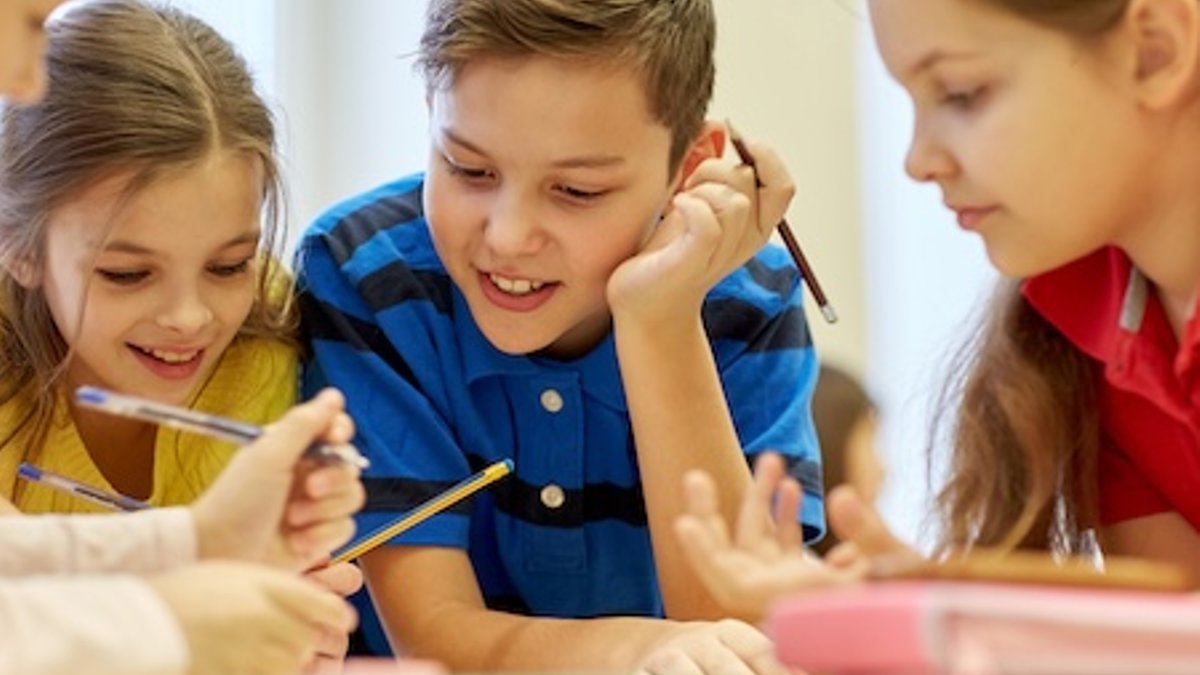
Behavior isn’t just a classroom management issue—it’s a core academic skill schools have long overlooked. Like reading or math, it requires instruction, practice, and support. Most lesson plans still assume students arrive knowing how to regulate emotions, resolve conflicts, or engage respectfully. That assumption is failing teachers and students.
Classrooms under pressure
The strain is visible. Nearly 80% of teachers have considered leaving the profession, with disruptive behavior cited as a leading cause of job-related stress. The pandemic worsened the crisis, leaving students struggling with anxiety and disconnection while teachers balanced scripted curricula and fewer chances for meaningful engagement.
Social media and device dependency have made the problem worse. Screen-based interactions, often anonymous and low-accountability, have weakened conflict resolution skills and empathy. Students now have difficulty reading nonverbal cues. Teachers, many of whom also rely on their phones, demonstrate habits that influence classroom interactions in ways they may not intend.
The idea is straightforward but hard to put into practice: schools cannot expect students to know what they haven’t been shown.
Related: AI Access Becomes New Social Divider
Tools over theory
Some districts show that change is possible. Newton County Schools, east of Atlanta, reduced disciplinary infractions by 24% within weeks after introducing a layered support system. New teachers received stipends for interactive behavior training before the school year. They then worked with mentors and climate specialists to apply those lessons in real time.
These efforts share a key approach: treating behavior as a skill to develop rather than a problem to punish. Professional development, tiered interventions, and measurable outcomes replaced one-time training sessions that often faded without follow-up.
The challenge is scaling these successes. Smaller districts with close-knit communities may adopt similar models, but larger systems face obstacles—staffing shortages, funding gaps, and competing priorities. The danger isn’t just stalled progress; schools might return to reactive discipline, which research links to worse long-term outcomes for students.
Some districts are integrating these practices into broader initiatives. Parent workshops, community partnerships, and digital resources help reinforce expectations at home. The aim isn’t perfection but consistency: students do best when adults model the same behaviors they’re expected to learn.
Related: Pearson Teams Up with Home Depot
A shared responsibility
Lasting change depends on more than classroom strategies. It requires coordination between schools, families, and communities. When behavior is seen as a shared responsibility—not just a teacher’s job—classrooms become safer, and students gain skills that extend beyond school.
The results are clear. Schools that invest in proactive behavior supports see fewer disruptions, higher teacher retention, and improved academic performance. The delay in treating behavior with the same rigor as algebra or history is the real issue.
Behavior isn’t a side note. It’s the foundation.



Leave a Reply