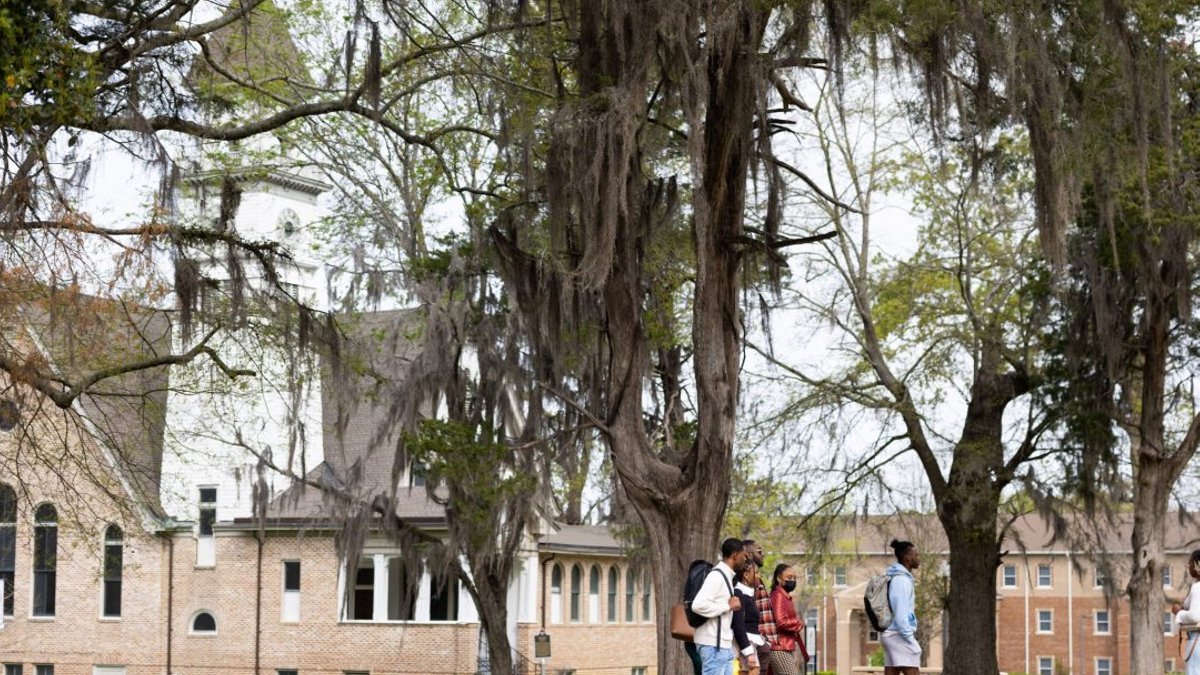
The Treasury Department has proposed stripping tax-exempt status from private schools that consider race in admissions, scholarships, financial aid, or athletics — a move framed as targeting overt discrimination but one that could deeply impact institutions built on expanding access for underrepresented students.
Financial Risk to Mission-Driven Schools
The proposal, if finalized, would affect up to 18,000 private colleges and universities nationwide, many of which operate on thin financial margins. Losing tax-exempt status would jeopardize charitable donations, expose investment income to taxation, and force budget cuts that could shutter vital programs.
These cuts would hit hardest among first-generation students, working parents, and Black, Indigenous, and Latino learners who rely on targeted support systems. Historically Black colleges and universities, tribal colleges, Hispanic-serving institutions, and faith-based schools now face an uncertain future, all for efforts aimed at closing long-standing gaps in educational access.
Race-Conscious Policies vs. Discrimination
Many of these institutions were founded specifically to serve communities excluded from mainstream higher education. Their missions center around equity, not exclusion. A scholarship program designed to help Native American students overcome systemic barriers isn’t preferential treatment; it’s an attempt to level a deeply unequal playing field.
The author, Yolanda Watson Spiva, draws from personal experience as a graduate of Spelman College, an all-women HBCU established during the era of legal segregation. Her perspective highlights how race-conscious policies have historically opened doors rather than closed them.
A Forgotten Chapter in Higher Ed History
In the early 1900s, quotas barred Jewish students from many elite colleges. When Nazi persecution drove European scholars to America in the 1930s, most institutions turned them away. But HBCUs welcomed 51 refugee scholars across 19 campuses, offering both sanctuary and professional opportunity.
The history illustrates that institutions created to serve marginalized groups often extend that same spirit of inclusion beyond their original constituencies. Far from being exclusionary, they’ve repeatedly demonstrated a broader commitment to human dignity and academic opportunity.
Closing Gaps, Not Doors
Programs like enhanced advising for first-generation students or STEM support initiatives targeting underserved populations exist because historical inequities persist. These efforts don’t discriminate; they correct imbalances.
Punishing institutions for trying to make college more equitable risks forcing them to choose between financial survival and maintaining outreach programs that improve graduation rates and workforce readiness. The result would be fewer degrees awarded to the very populations that need them most.
While debate over affirmative action continues, conflating race-conscious support with unlawful bias ignores decades of documented exclusion. As Spiva argues, misunderstanding the purpose of these programs threatens progress made toward inclusive excellence in American higher education.




Leave a Reply