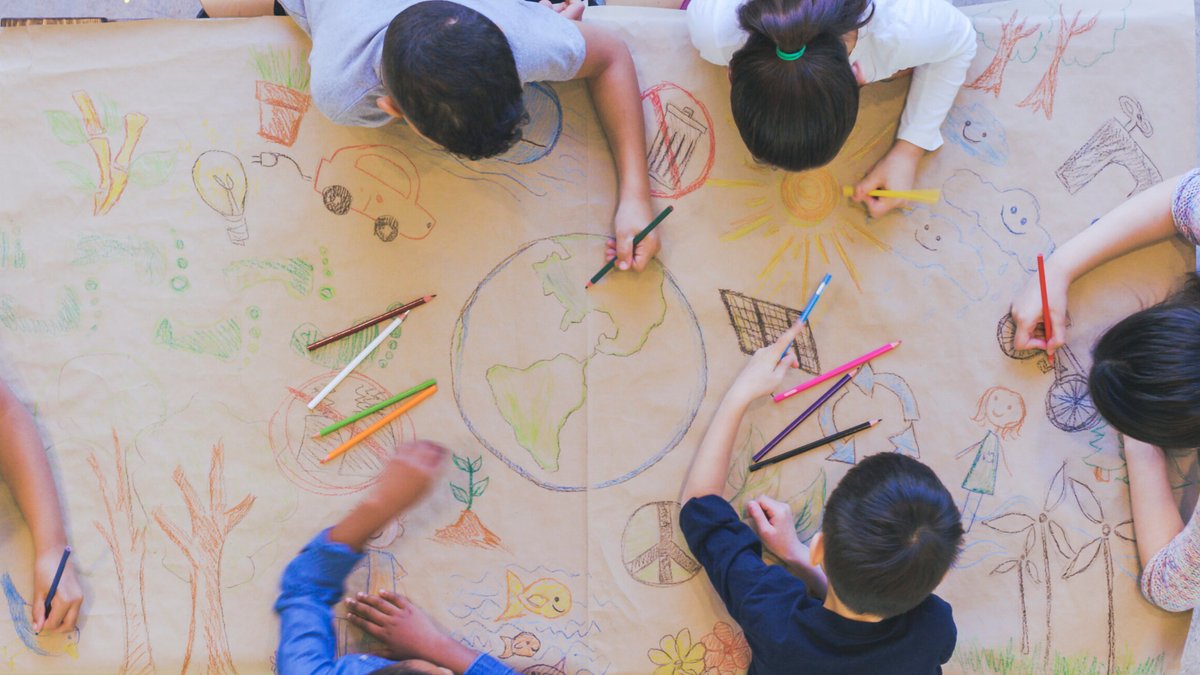
Climate change discussions are becoming increasingly important among young people, with many students sharing their personal experiences and concerns about the issue. One student noted that group conversations in class, such as those that occur during Cambridge Global Perspectives lessons, have been particularly impactful. The student recalled a conversation where a friend from Nigeria discussed the effects of droughts, while another friend from Miami, Florida, shared his experience with hurricanes.
These discussions are effective because they connect the topic of climate change to real-life situations, making the issue feel more personal and relatable. As one student explained, “When teachers connect the topic to real life situations, especially more like local issues, the discussions feel more personal and impactful.”
Climate Change in the Classroom
A recent report found that 57% of teachers discuss climate change in the classroom, compared to 40% of students who say the same. This discrepancy highlights the need for more open and honest conversations about the issue. The Cambridge Student Advisory Council, a new initiative, aims to amplify student voices and provide a platform for them to share their perspectives on topics like climate change.
The council will bring together students aged 16+ from Cambridge schools around the world, providing opportunities for online research activities, focus groups, and expert Q&As. This initiative is designed to be inclusive, with the goal of hearing from a wide range of voices and experiences to inform thinking on important topics like climate change.
Supporting Teachers
To support teachers in having meaningful climate change conversations with their students, Cambridge has developed a free discussion guide called “Caring for emotions in climate change education: A guide for educators.” This guide, developed in collaboration with the Climate Psychology Alliance and students, provides practical tools for teachers to create a safe and supportive environment for discussions.
The guide emphasizes the importance of teachers understanding their own emotional responses to climate change, as well as setting ground rules to make students feel safe to share their thoughts and feelings. Anum Sheikh, a teacher, noted, “I believe in the power of open conversation to allow our students to understand the real environmental challenges and most importantly the role they play in protecting our planet.”
Vanessa, another teacher, agreed, saying, “For me, the power of conversation is transforming information into awareness and awareness into action.” Soma Mandal, a teacher at GD Goenka Public School Model Town, India, and global winner of the Cambridge Dedicated Teacher Award, is also using conversation to engage her students with the climate crisis, creating a student-centered platform to encourage critical thinking and ownership.
Soma’s approach is centered on giving students the space to express themselves and valuing their ideas, allowing them to see themselves as part of a larger global dialogue on sustainability. Soma noted, “When students are given the space to express, and when their ideas are truly valued, they don’t just learn about change—they begin to lead it.”


Leave a Reply